

Get Instant Solution By an Expert Advisor
(4.8)


Fasteners look simple. To most people, they are just bits of metal with a head and threads. But in engineering and construction, a small fastener failure can cause big problems. India recognises this, and regulators have begun enforcing standards on certain types of fasteners. One such category is cross recessed drilling screws with tapping screw thread — countersunk head.
This product falls under IS 18471 (Part 2): 2023, aligned with international standard ISO 15482:1999. If your organisation manufactures or imports these screws for the Indian market, you need a BIS ISI mark registration before your stock can be legally sold. The consequences of missing this are real — held shipments, rejected orders, and legal exposure.
Cross recessed drilling screws with tapping screw thread and a countersunk head are self-drilling, self-tapping fasteners. In practice:
This flush profile is important in applications where a protruding head would interfere with moving parts, aesthetics or surface finishes. You will see these screws in metal roofing, cladding, enclosures, factory assemblies and wherever a flat top is required
Poorly made countersunk screws often don’t sit flat, strip easily, or have mismatched drill and thread geometry. These issues are exactly why a standard exists.
This part of the IS 18471 series defines quality and performance benchmarks that the screws must meet before they can be considered reliable.
The standard covers:
This isn’t a casual guideline. The detailed dimensional and performance limits are there because experience shows that even small deviations can lead to installation problems or joint failure over time
The Bureau of Indian Standards (BIS) enforces compulsory registration for certain fasteners through a Quality Control Order (QCO). Countersunk head drilling screws are covered.
Once this product is notified, you cannot:
If you try to bring in unregistered screws, customs can detain the shipment. Retailers and institutional buyers often check for valid licence numbers before accepting goods. There is no workaround — once a product category is notified, all players must comply.
Compliance obligations fall on:
Domestic manufacturers – If you are making these screws in India, you must apply directly to BIS.
Foreign manufacturers – Screws made outside India still need BIS certification before being imported. A foreign company must appoint an Authorised Indian Representative (AIR) to apply on its behalf.
Importers – Importers must check that the product they are bringing in has a valid ISI licence tied to the manufacturer and model. You can’t just import and register in your own name unless you are the appointed AIR.
The key point is that the licence belongs to the manufacturer, not a random supplier or distributor.
Getting BIS certified under IS 18471 (Part 2): 2023 takes real preparation. Here’s how it plays out in practice:
Before you start, gather:
Labelling and traceability details are important. BIS will want to know how each batch is identified.
Samples of your screws go to a BIS-recognised laboratory. They test:
One mistake companies make is using a lab that isn’t officially recognised for all the required tests. Verify the lab’s scope before sending samples.
BIS inspectors visit the manufacturing unit to check:
The inspectors are detailed. They will check calibration records, non-conformance logs, and how samples are drawn.
After successful testing and inspection, BIS issues the licence. Now you can use the ISI mark on the screws and packaging.
BIS does not just issue licences and disappear. There are periodic inspections and market sample checks. Keeping records organized helps during these follow-ups.
BIS CRS Registration of Webcam (Finished Product) IS 616: 2017
From experience, the same issues tend to delay approvals:
Being meticulous from day one saves weeks of back-and-forth later.
Getting the ISI mark is not just about satisfying a rule. It tells buyers that the product meets defined quality and performance standards. In sectors like construction, infrastructure, and OEM assembly, that’s a selling point. No one wants unexpected failures because of inconsistent fasteners. Get expert help from Agile Regulatory today and meet compliance with ease.
Post Views: 858


.webp)
Nishi Chawla
08 May, 2026
.webp)
Nishi Chawla
08 May, 2026
Nishi Chawla
07 May, 2026
Nishi Chawla
07 May, 2026
Nishi Chawla
07 May, 2026
Get Instant Solution By an Expert Advisor
(4.8)
You might also be interested in these articles.
Nishi Chawla
27 Apr 2026
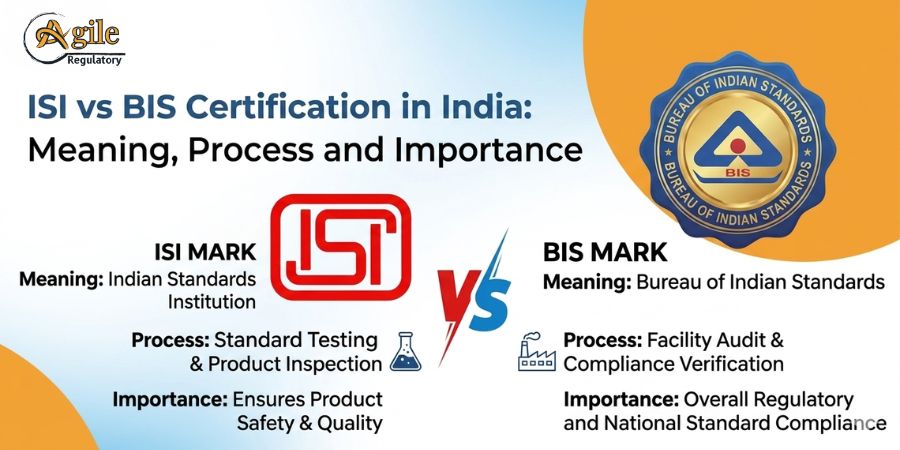
The mark stayed the same. The ISI Indian Standards Institution, was founded in 1947 as India's first national standardization body. It made the ISI mark and ran product certification in India for many years. Parliament passed the Bureau of Indian Standard
Nishi Chawla
16 Apr 2026
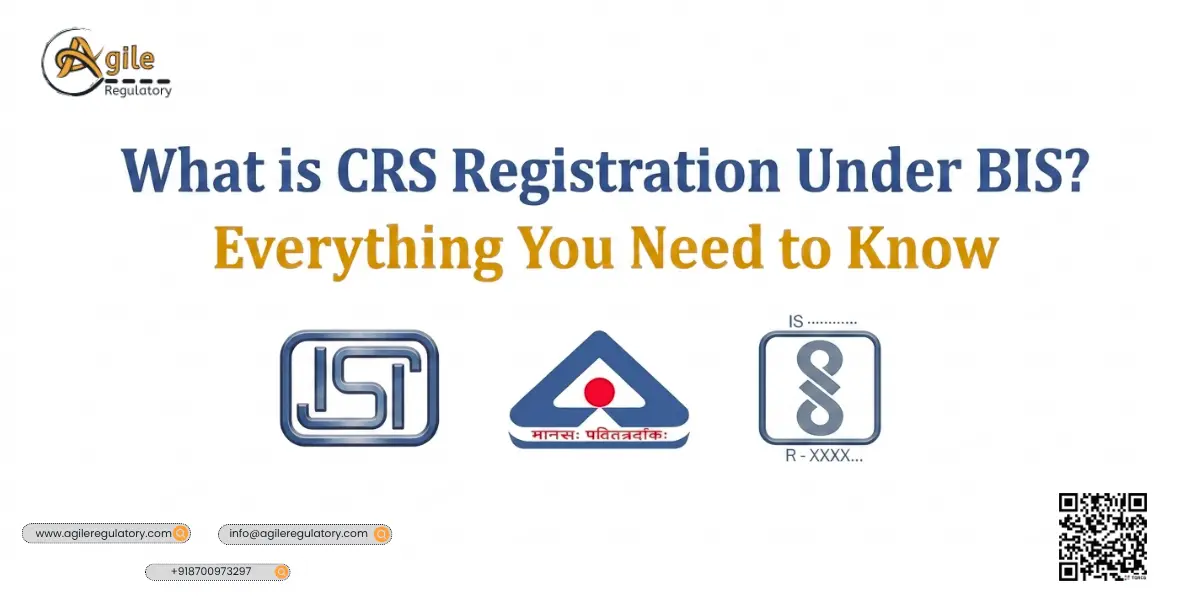
CRS Registration under BIS is a mandatory certification for certain electronic and IT products in India to ensure they meet prescribed safety standards. Introduced by the Bureau of Indian Standards, the Compulsory Registration Scheme (CRS) requires manufa
Nishi Chawla
10 Apr 2026
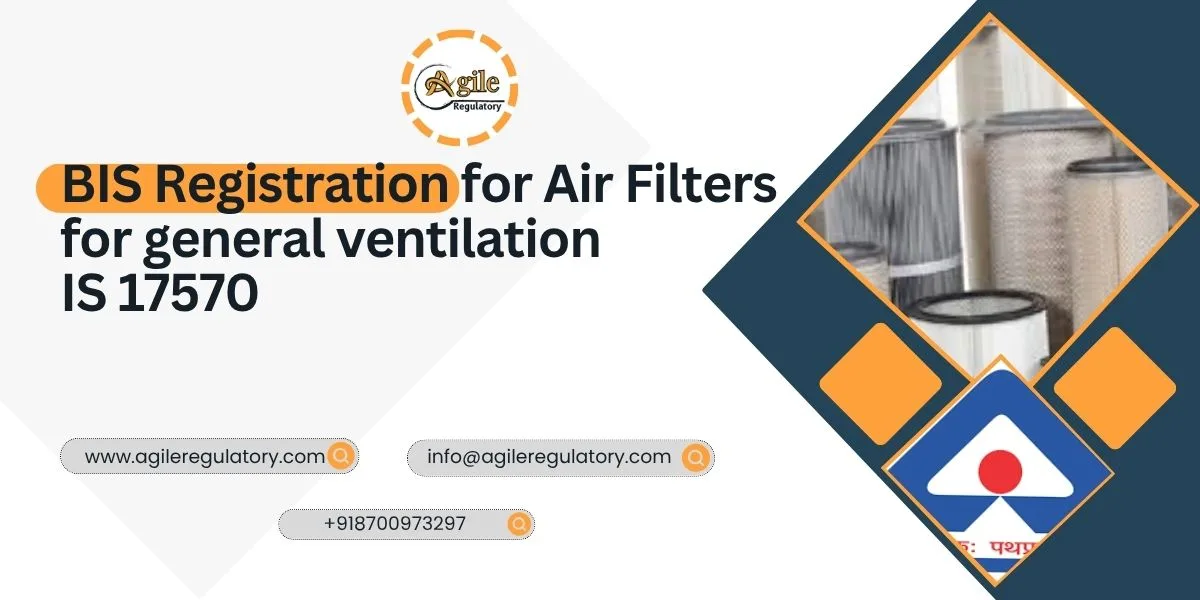
BIS registration for air filters used in general ventilation under IS 17570 (Part 1): 2021 aligns with ISO 16890-2: 2016 standards. This certification ensures that air filters meet quality, performance, and efficiency requirements for improved indoor air
Nishi Chawla
10 Apr 2026
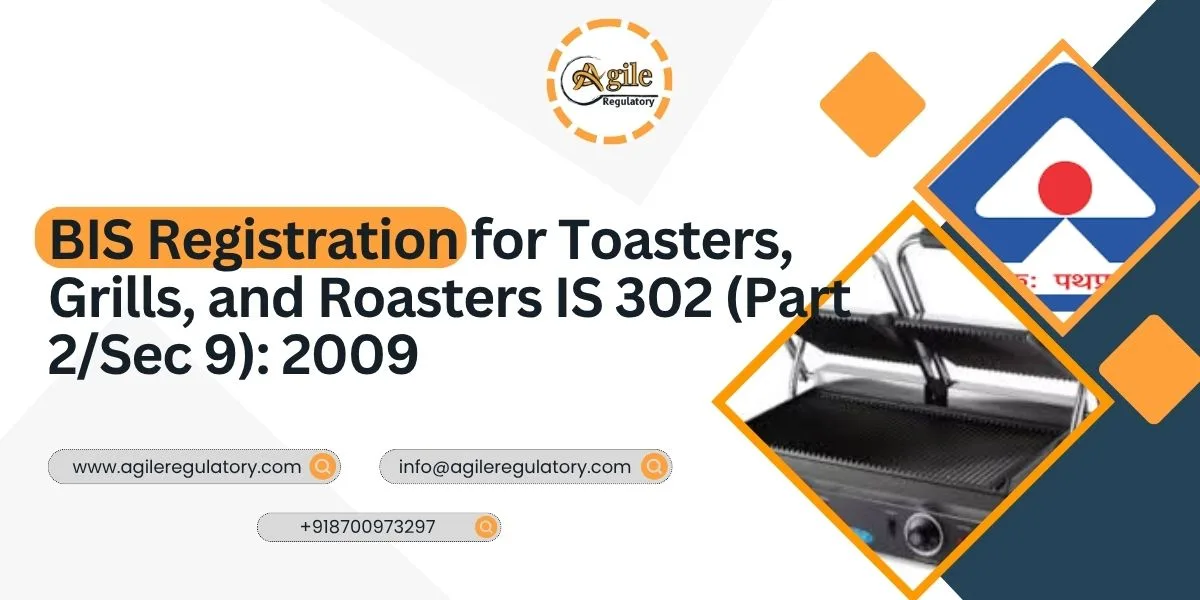
BIS Registration for toasters, grills, and roasters under IS 302 (Part 2/Sec 9): 2009 is mandatory to ensure these appliances meet Indian safety and quality standards. This certification verifies that the products are tested for electrical safety, perform
Nishi Chawla
07 Apr 2026
Agile Regulatory offers reliable BIS ISI Mark consulting services in Punjab. We help businesses with end-to-end certification support and compliance. Ensure fast approval and smooth processing with our expert team.
Nishi Chawla
01 Apr 2026
BIS registration is mandatory for domestic electric clothes washing machines in India. It ensures product safety and compliance with IS 302 standards. Expert guidance helps achieve quick and hassle-free certification.
Nishi Chawla
01 Apr 2026
BIS registration ensures quality, safety, and compliance for corrugated and semi-corrugated asbestos cement sheets under IS 459:1992 standards' official requirements.
Nishi Chawla
30 Mar 2026
BIS registration for range hoods ensures compliance with Indian safety standards under IS 302 (Part 2/Sec 31): 2009. It is mandatory for manufacturers and importers to sell these products in the Indian market. Expert assistance from Agile Regulatory sim
Nishi Chawla
30 Mar 2026
BIS registration ensures safety and quality compliance for skin and hair care appliances under IS 302 (Part 2/Sec 23):2009 standards.
Nishi Chawla
27 Mar 2026
IS 302 (Part 2/Sec 75): 2018 is an Indian Standard that specifies safety requirements for commercial dispensing appliances and vending machines, including those used for food, beverages, and other products.
Nishi Chawla
27 Mar 2026
BIS registration under IS 302 (Part 2/Sec 80): 2017 is mandatory for electric fans to ensure safety and compliance with Indian standards. Our service provides end-to-end support including documentation, product testing, and certification, ensuring a smoot
Nishi Chawla
24 Mar 2026
BIS certification ensures multi-burner oil pressure stoves meet safety, quality, and performance standards for reliable, efficient, and safe household use.
Nishi Chawla
16 Mar 2026
A BIS Hallmark Consultant helps jewelers and businesses obtain mandatory hallmark certification for gold and silver in India. They assist with registration, documentation, compliance, and coordination with the Bureau of Indian Standards (BIS). Their exper
Nishi Chawla
10 Mar 2026
Learn about the BIS Registration for Asbestos Cement Flat Sheets as per IS 2096:1992. Understand the certification process, required documents, testing standards, and compliance requirements to legally manufacture or import asbestos cement flat sheets in
Nishi Chawla
10 Mar 2026
BIS Registration for Asbestos Cement Pressure Pipes and Joints ensures compliance with IS 1592:2003 standards in India. Manufacturers must obtain BIS certification to use the ISI mark and sell products in the Indian market. Our experts assist with docum
Nishi Chawla
03 Mar 2026
BIS ISI Mark registration for asbestos cement pipes and fittings under IS 6908:1991 ensures quality compliance for sewerage and drainage systems.
Nishi Chawla
03 Mar 2026
BIS ISI certification is mandatory for Asbestos Cement Building Boards under IS 2098:1997. Manufacturers must comply with quality standards and pass BIS-approved lab testing. We provide end-to-end support for smooth and quick ISI mark registration.
Nishi Chawla
27 Feb 2026
BIS registration under the Bureau of Indian Standards (BIS) is mandatory for manufacturers of asbestos cement cable conduits and troughs in India.
Nishi Chawla
27 Feb 2026
BIS Registration for Silica-Asbestos-Cement Flat Sheets under IS 13000:1990 is mandatory to ensure product quality and safety compliance in India. Manufacturers must meet the standards set by the Bureau of Indian Standards before selling in the Indian mar
Nishi Chawla
24 Feb 2026
BIS registration for Shallow Corrugated Asbestos Cement Sheets under IS 13008:1990 is mandatory in India to ensure product quality, safety, and compliance with national standards.
Nishi Chawla
24 Feb 2026
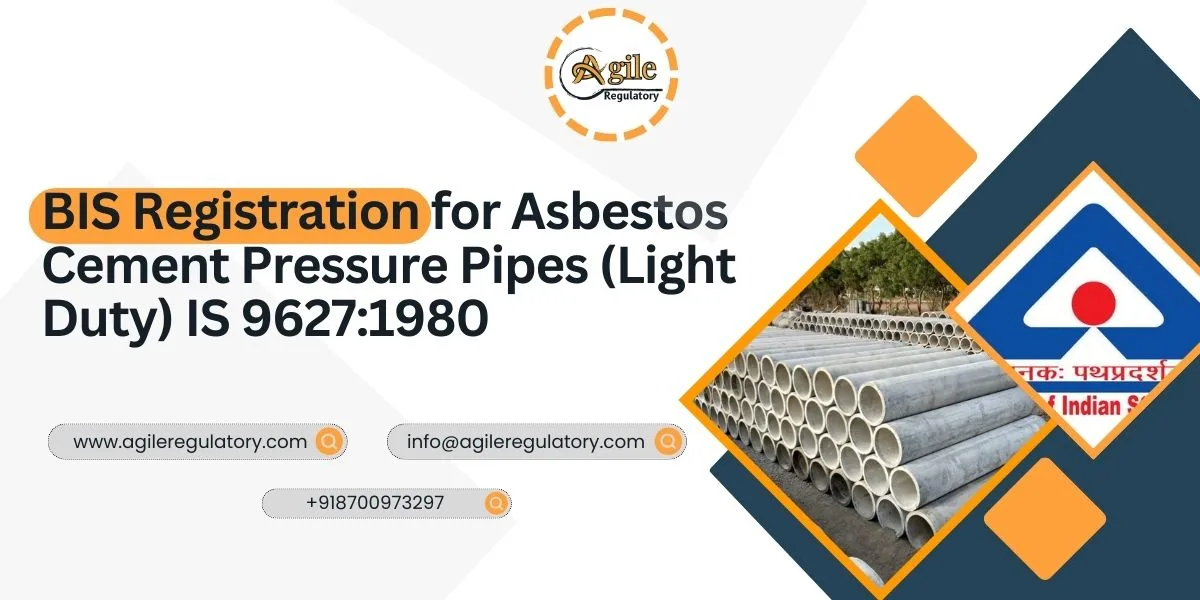
BIS Registration for Asbestos Cement Pressure Pipes (Light Duty) under IS 9627:1980 is mandatory for compliance in India. Manufacturers must obtain ISI Certification to ensure product quality and safety standards. We provide end-to-end support for docum
Nishi Chawla
23 Feb 2026
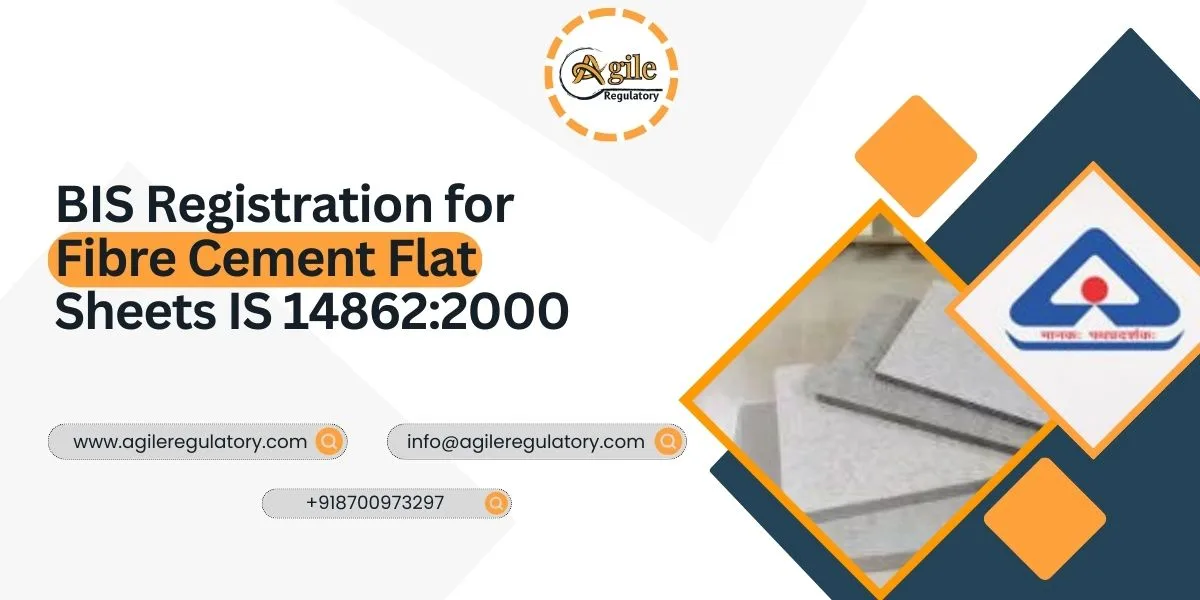
This guide explains the process of obtaining BIS (Bureau of Indian Standards) registration for fibre cement flat sheets as per the IS 14862:2000 standard, ensuring compliance with Indian quality and safety regulations.
Nishi Chawla
23 Feb 2026
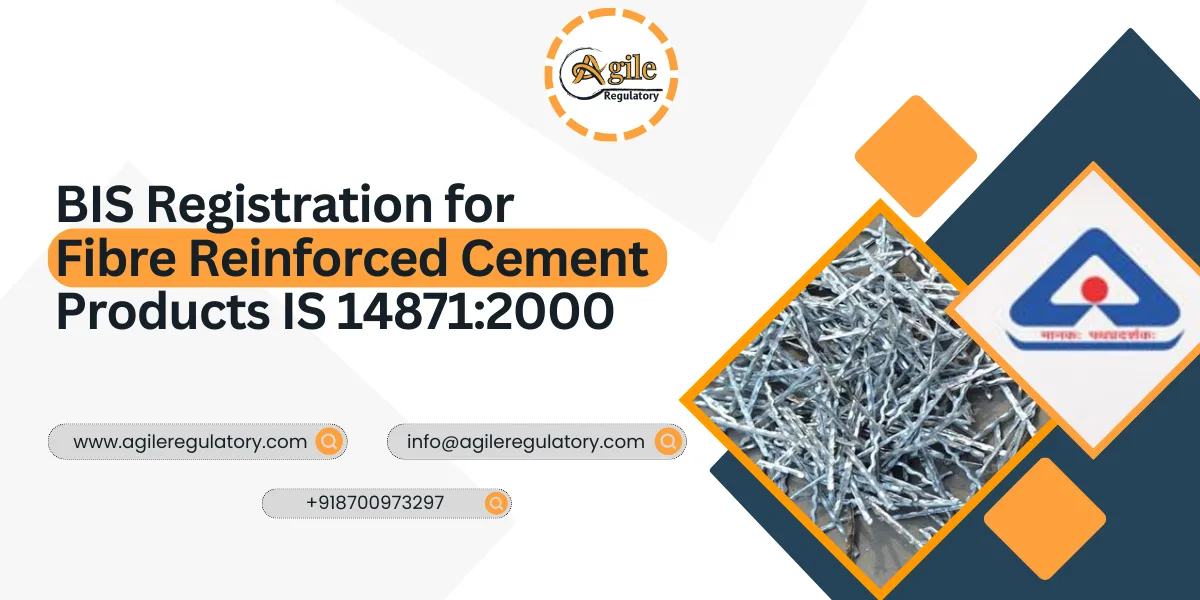
BIS registration for fiber-reinforced cement products under IS 14871:2000 ensures quality, safety, and compliance with Indian standards.
Nishi Chawla
20 Feb 2026
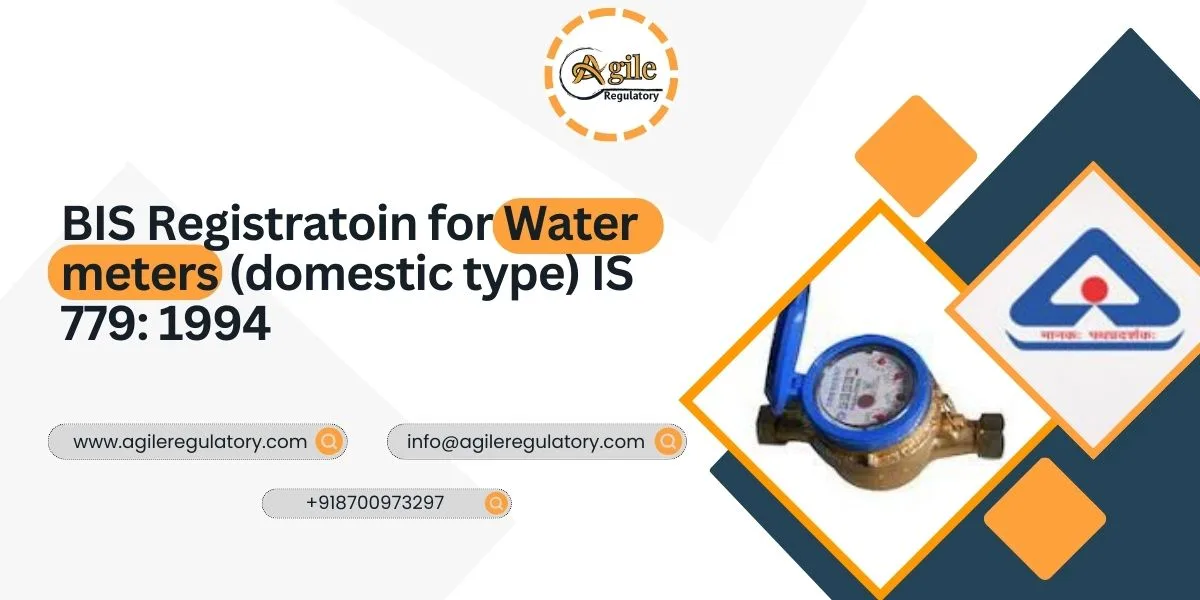
BIS Registration for Water Meters (Domestic Type) under IS 779: 1994 is mandatory to ensure quality, accuracy, and compliance with Indian standards. The certification verifies that domestic water meters meet performance, safety, and durability requirement
Nishi Chawla
20 Feb 2026
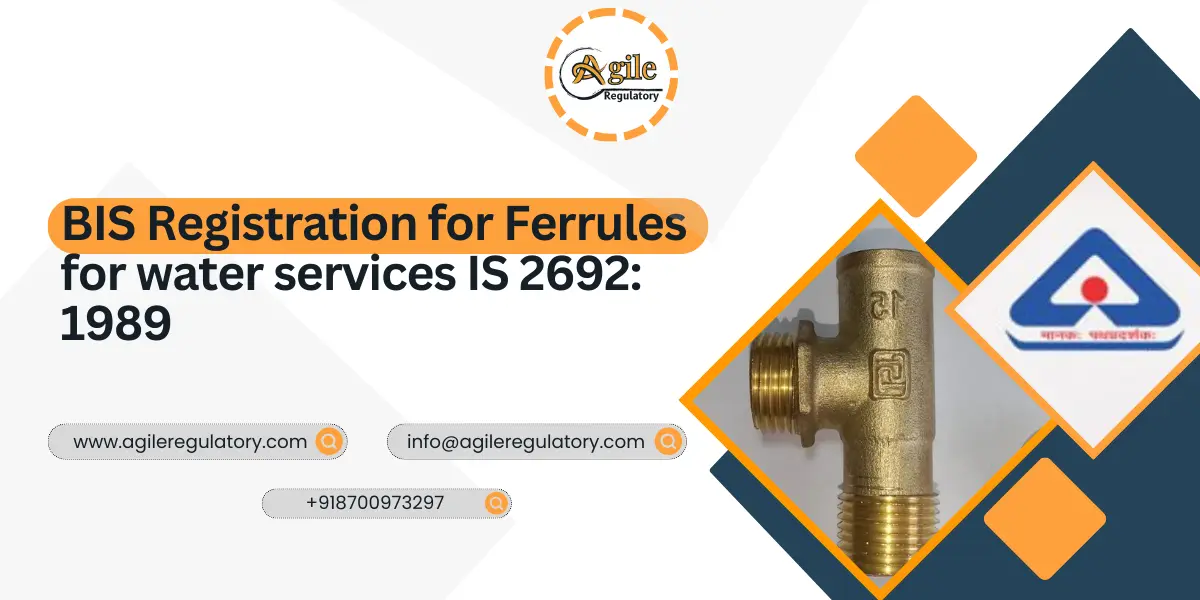
BIS registration ensures ferrules for water services comply with IS 2692:1989 prescribed national standards set by Bureau of Indian Standards.
Nishi Chawla
18 Feb 2026
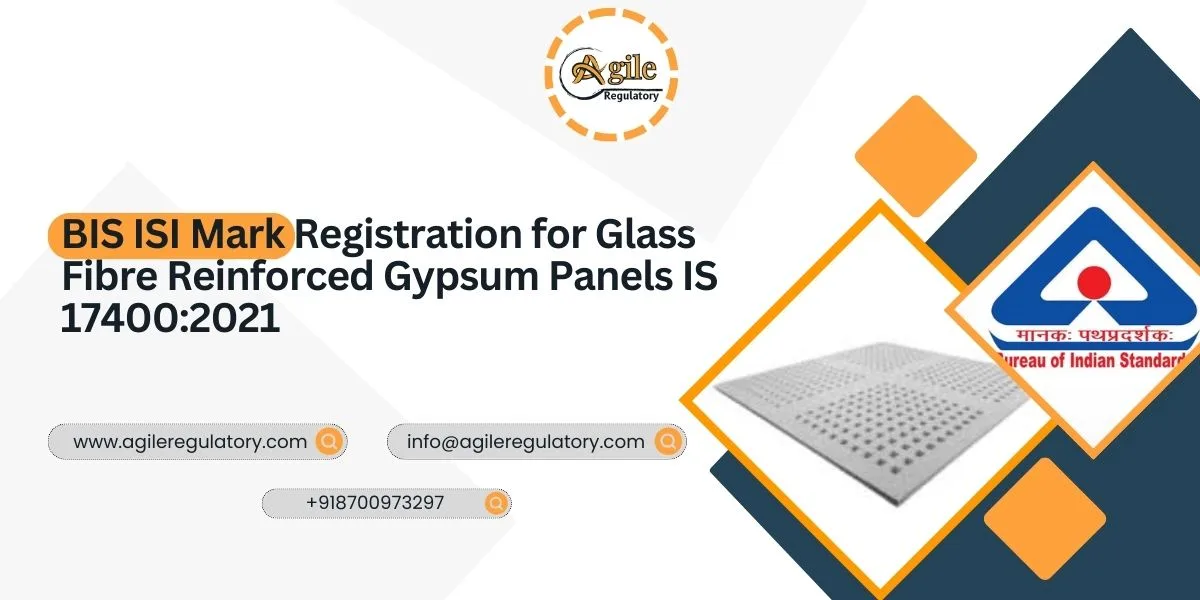
Get Bureau of Indian Standards (BIS) ISI Mark Registration for Glass Fibre Reinforced Gypsum (GFRG) Panels as per IS 17400:2021. This certification ensures that GFRG panels meet the required quality, strength, safety, and performance standards for use in
Nishi Chawla
18 Feb 2026
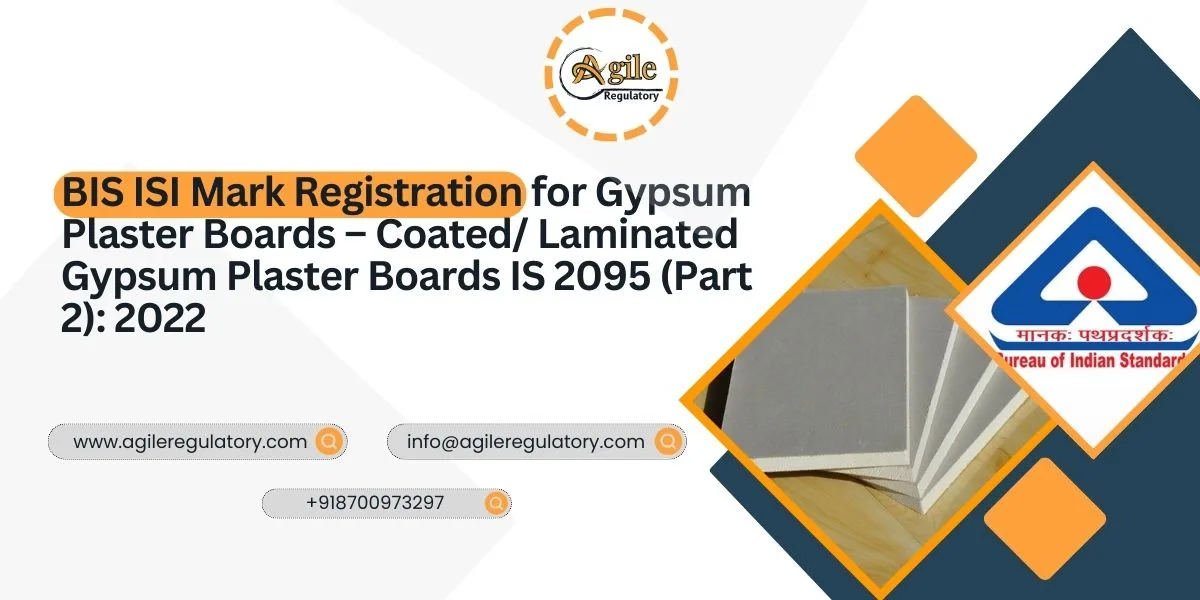
BIS ISI Mark Registration for Gypsum Plaster Boards – Coated/Laminated is mandatory as per IS 2095 (Part 2): 2022 to ensure product quality and safety compliance in India. Manufacturers must obtain certification from the Bureau of Indian Standards before
Nishi Chawla
17 Feb 2026
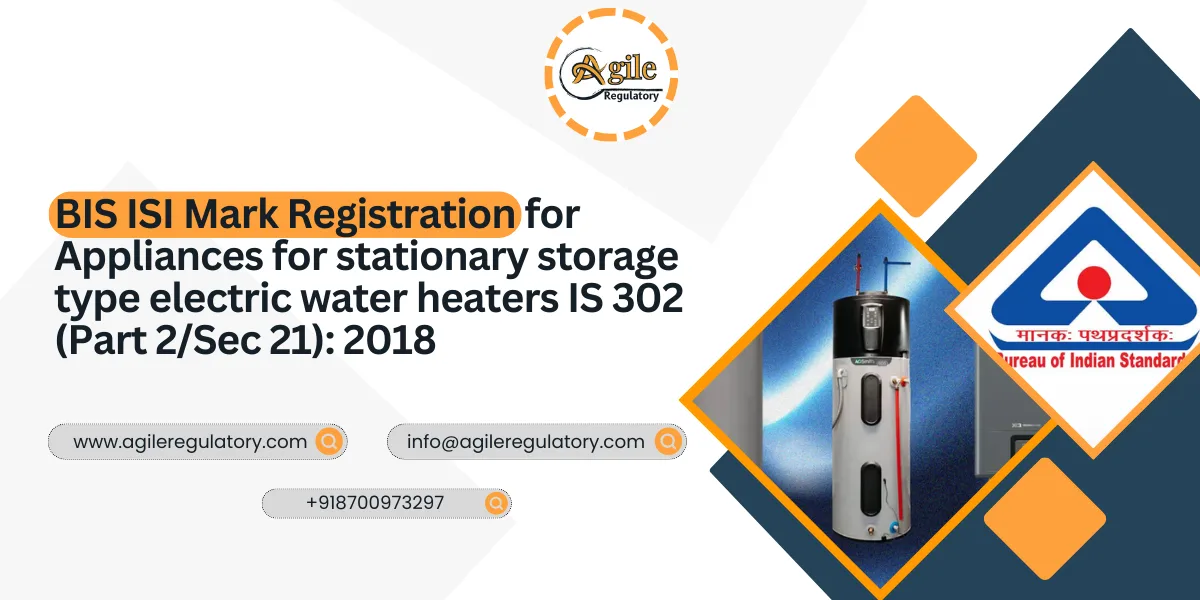
BIS ISI Mark Registration under IS 302 (Part 2/Sec 21): 2018 is mandatory for manufacturers of stationary storage-type electric water heaters in India.
Nishi Chawla
17 Feb 2026
BIS ISI Mark certification is mandatory for Reinforced Gypsum Plaster Boards and Ceiling Tiles under IS 2095 (Part 3):2022. The certification ensures product quality, safety, and compliance with Bureau of Indian Standards norms. Our experts provide comp
Nishi Chawla
16 Feb 2026
BIS ISI Mark Registration under IS 368:2014 certifies electric immersion water heaters for safety, quality, and compliance standards in India.
Nishi Chawla
16 Feb 2026
BIS ISI Mark Registration for Electric Instantaneous Water Heaters is mandatory under IS 302 standards in India. Manufacturers must obtain certification from the Bureau of Indian Standards (BIS) to ensure product safety, quality, and compliance with India
Nishi Chawla
29 Jan 2026
We provide expert BIS consultancy in Delhi and Haryana, helping businesses obtain Bureau of Indian Standards certification quickly and efficiently. Our experienced consultants guide you through compliance, documentation, and registration, ensuring a smoot
Nishi Chawla
29 Jan 2026
BIS certification costs vary by product, scheme, and manufacturer. Typical fees include application (₹1,000–₹5,000), testing (₹15,000–₹75,000+), inspection/audit charges, annual license, and marking fees.
We simplify compliance through a proven 4-step process: Consultation, Documentation, Submission, and certification. From understanding requirements to getting final approvals, we deliver a smooth, timely, and fully compliant journey for your business.


What our customer says about us

Lavkush Sharma
KTPL Instruments
Agile Regulatory handled my BIS Certification registration smoothly. Their expert team ensured quick approvals, transparent pricing, and a completely stress-free compliance experience.

Nitin Mukesh
Justrack IOT
We are grateful to Agile Regulatory for their excellent support. Their team showed patience, expertise, and professionalism throughout, providing clear guidance and making the entire process smooth and hassle-free.
Pradeep Varma
Coaire Compressor
Being an excellent BIS Certification Consultant provider, they help customers with all requirements such as BIS Certification, CDSCO services, Agile Regulatory support, legal issues, and lab testing with quick results.

Bharat Bachwani
Easy Polymer
With the help of Agile Regulatory, we have made significant progress in our business. Their service is fast, genuine, and reliable. We look forward to continued success together in the future.

Atul Jain
Tarus International
Many thanks to Agile Regulatory for all the support, guidance, and expert advice. Their professional approach and consistent assistance have made a significant difference.

Paramjeet Singh
Anchor Weighing
Top-tier consulting! offered strategic solutions that revolutionized our approach. Their deep expertise and personalized guidance made a significant impact on our success. Highly recommend their services.

Anshul Rathi
AM Capacitor
Agile Regulatory exceeded expectations! Their tailored solutions, expertise, and proactive approach led to remarkable results. Highly recommend for businesses seeking impactful and strategic guidance.

Shekhar Maurya
Imaxx Pro Aquistic
Outstanding service! delivered targeted solutions with professionalism and expertise. Their insights elevated our business strategies, resulting in noticeable growth. Highly recommended for exceptional consultation.
Trusted by over 1,00,000 + Global Brands in the past 15+ years


.webp)







Leave a Reply
Your email address will not be published. Required fields are marked *