


Get Instant Solution By an Expert Advisor
(4.8)
Fast replies · No spam · Real experts
.webp)
If your product uses wireless technology, even something as basic as Bluetooth or Wi-Fi, you’re already under regulation in India.
There’s no middle ground here.
You either have WPC approval, or your product doesn’t legally enter the market.
Most businesses don’t realize this until their shipment is stuck at customs or a marketplace asks for compliance documents. By then you’re reacting instead of preparing
So if you’re planning to manufacture, import or sell wireless-enabled devices in Delhi you need to understand how WPC certification actually works, not just what the steps are but where things usually go wrong.
WPC Certificate Registration in Uttar Pradesh
The Wireless Planning and Coordination Wing operates under the Department of Telecommunications and acts as India’s national authority for managing the radio frequency spectrum.
Its job is not limited to paperwork.
It regulates:
So when your device transmits signals even short-range, you’re entering regulated territory.
In practical terms, WPC certification, especially ETA (Equipment Type Approval), is mandatory for wireless products operating on de-licensed frequency bands like 2.4 GHz or 5 GHz.
This includes:
Without approval:
And this isn’t theoretical. It happens regularly at customs.
Here’s the part most people misunderstand.
The process is not different for Delhi.
But:
So while the law is national, the execution often runs through Delhi.
You don’t need every license. But you do need the right one.
The common ones include:
For most businesses dealing with consumer electronics, ETA is the starting point.
This is where most articles go generic. Here’s what actually happens when you apply.
Before anything else, you need to confirm:
Does your device operate in a de-licensed band?
If yes → ETA applies
If not → you may need a different license
Skipping this step leads to wrong applications.
You don’t apply first. You test first.
Your product must be tested in:
The test checks:
No test report = no application.
All applications are now filed online.
You:
This is where your application officially begins.
You’ll need:
The problem is not collecting documents.
It’s consistent.
If your test report says one thing and your datasheet says another, your application gets delayed or rejected.
You submit:
Then pay the applicable fee.
This part is simple but only if everything before this is correct.
Authorities verify:
If something doesn’t match, you’ll get queries.
And this is where timelines stretch.
Once cleared, you receive the ETA certificate.
This certificate:
Typical timeline:
But delays happen due to:
So the timeline depends more on preparation than the system.
If your product already uses a pre-approved RF module, you may not need fresh testing.
You can apply based on:
This reduces time significantly but only if documentation is solid.
WPC ETA Certificate: Registration Process!
A common mistake
"The manufacturer handles compliance.”
Wrong.
If you’re importing:
Otherwise, your goods won’t clear.
No ambiguity here.
Possible outcomes:
And once your product is flagged, future imports get stricter scrutiny.
WPC certification is not something you deal with after your product is ready.
It comes before your product enters the market.
If your device uses wireless technology and doesn’t have ETA approval, it simply cannot be legally sold or imported in India.
The process itself is structured. What causes delays is inconsistency between your product, your test reports, and your documents.
If you want to avoid rejections and wasted time, working with a compliance partner like Agile Regulatory can help you get it done correctly from the start.


You might also be interested in these articles.
Sonal Sharma
18 Sep 2026
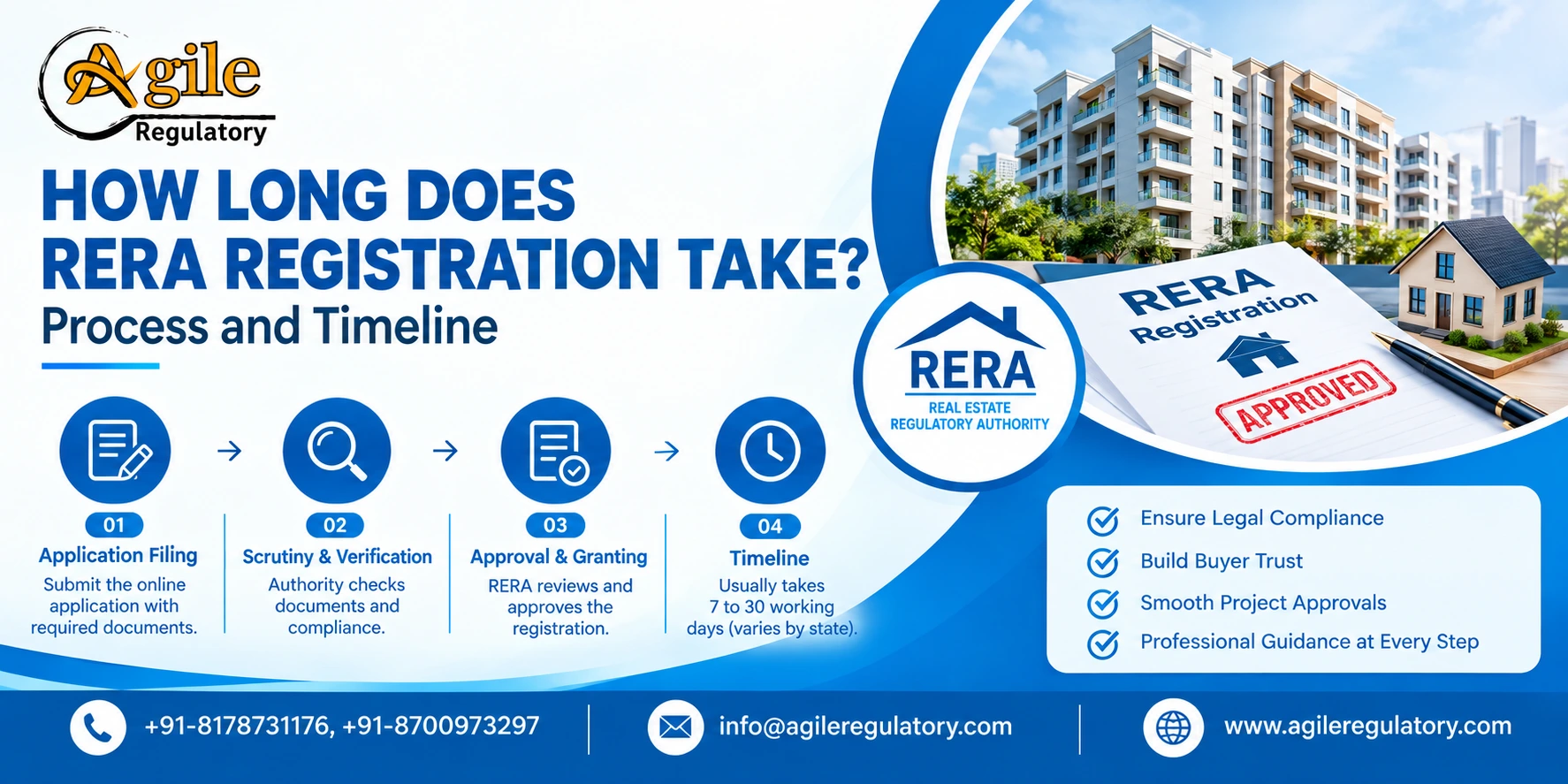
RERA registration is an important compliance step for eligible real estate projects. The process typically includes preparing documents, submitting the application online, paying applicable fees, and responding to queries raised by the concerned RERA auth
Divya Saxena
19 Aug 2026
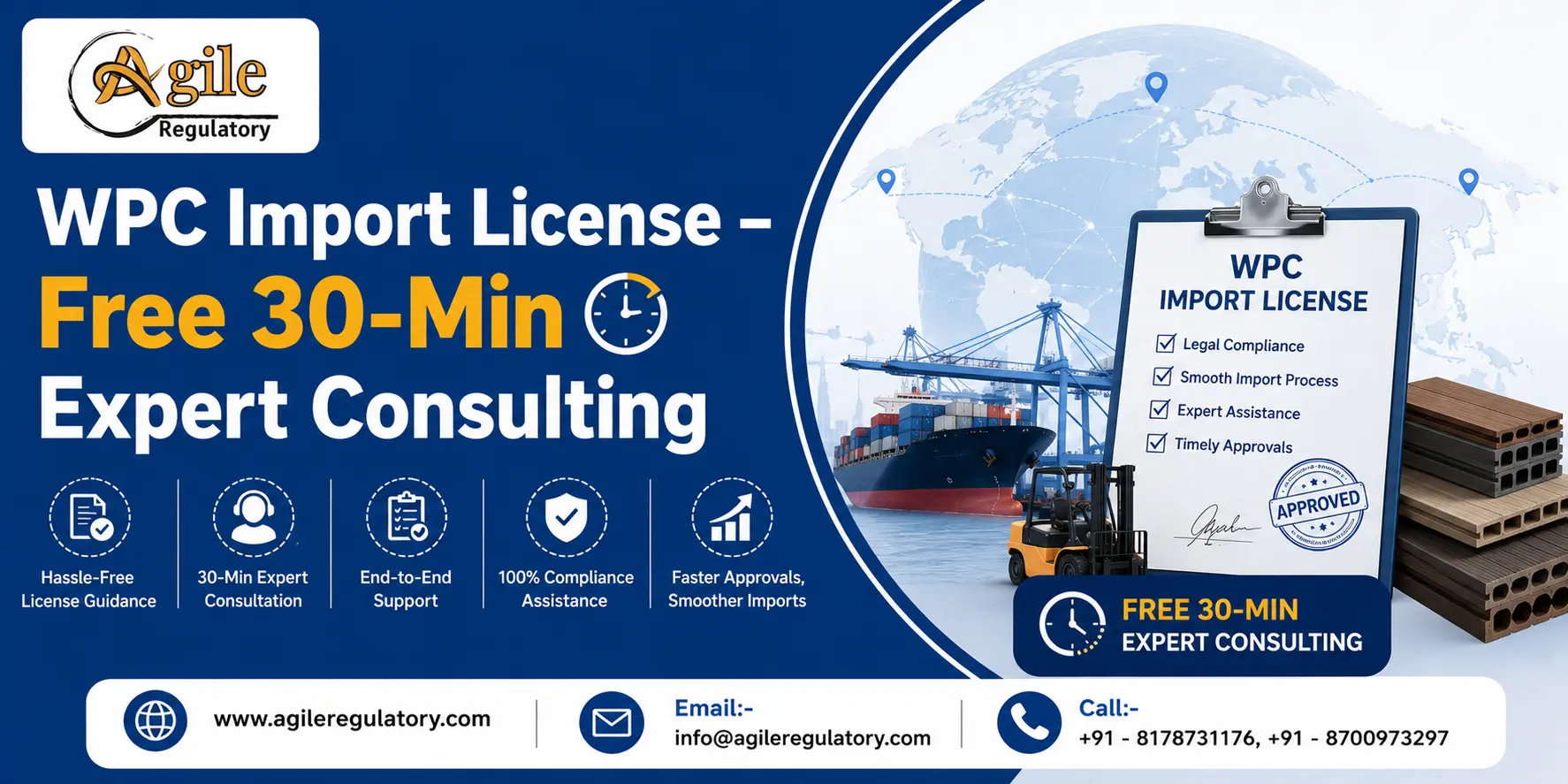
Get expert guidance on WPC Import License requirements with a free 30-minute consultation covering eligibility, documents, application process, and compliance for importing wireless products into India.
Divya Saxena
11 Aug 2026
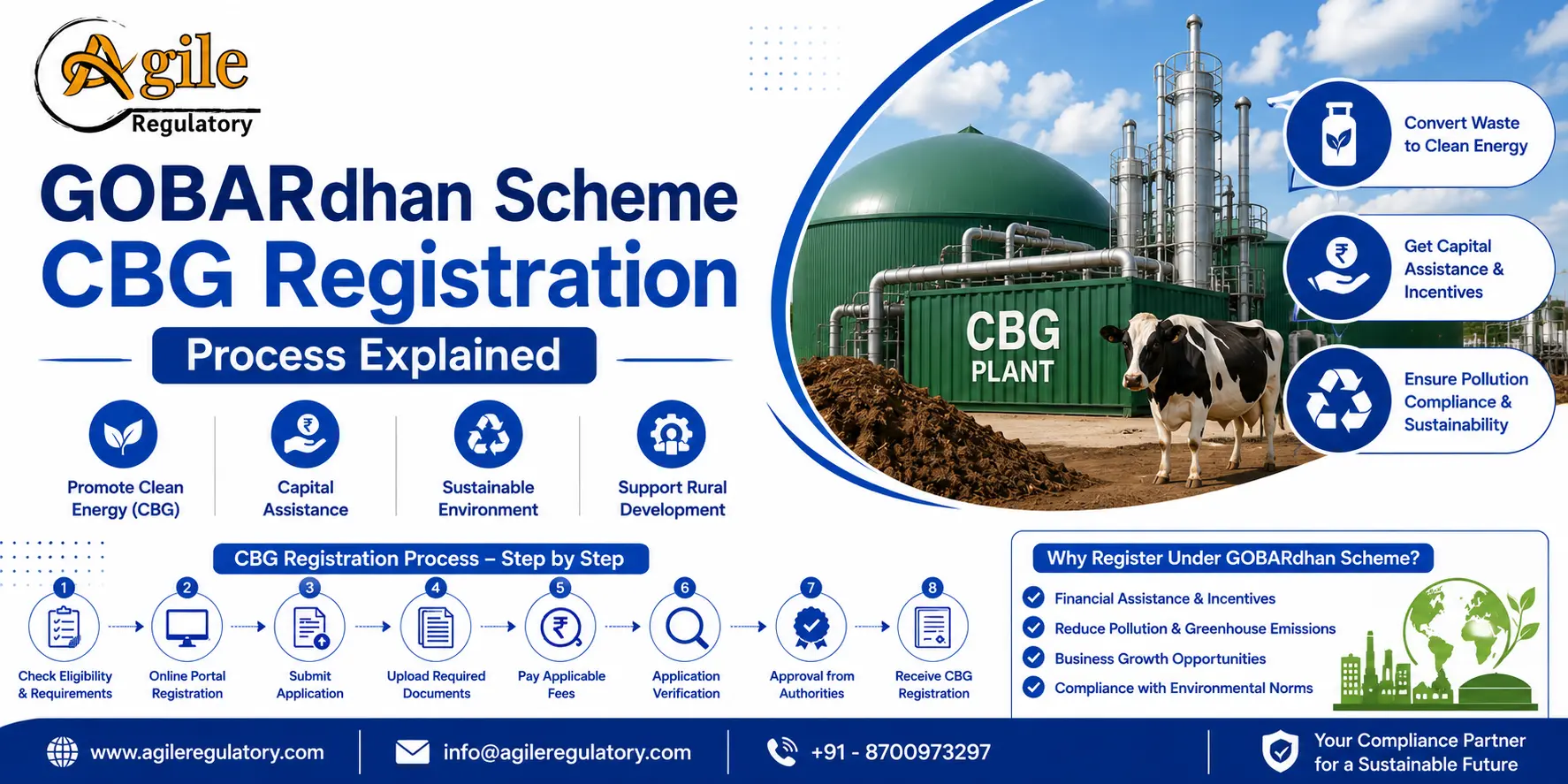
The GOBARdhan Scheme 2026 is an important government initiative aimed at converting cattle dung, agricultural residue, municipal organic waste and other biodegradable materials into useful resources such as biogas, Compressed Biogas (CBG), Bio-CNG and org
Nishi Chawla
04 Jun 2026
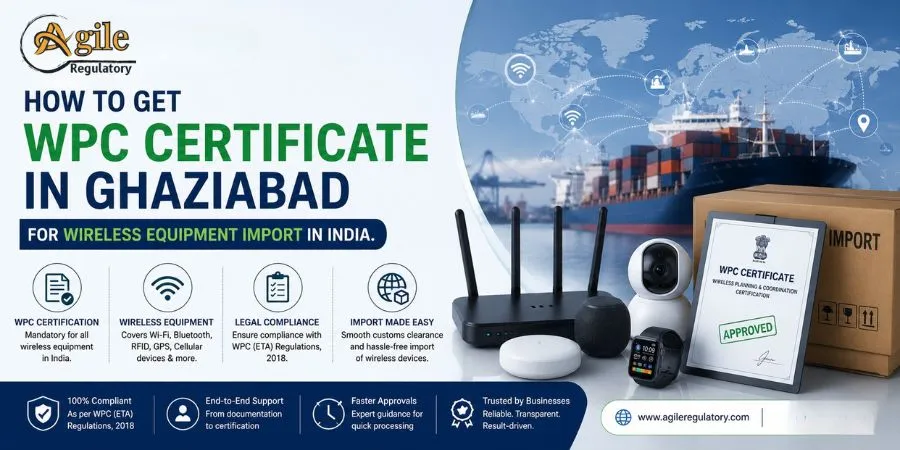
Obtaining a WPC Certificate in Ghaziabad is an essential requirement for businesses importing wireless and radio frequency-enabled products into India. Issued by the Wireless Planning and Coordination (WPC) Wing of the Ministry of Communications, the cert
Nishi Chawla
19 May 2026
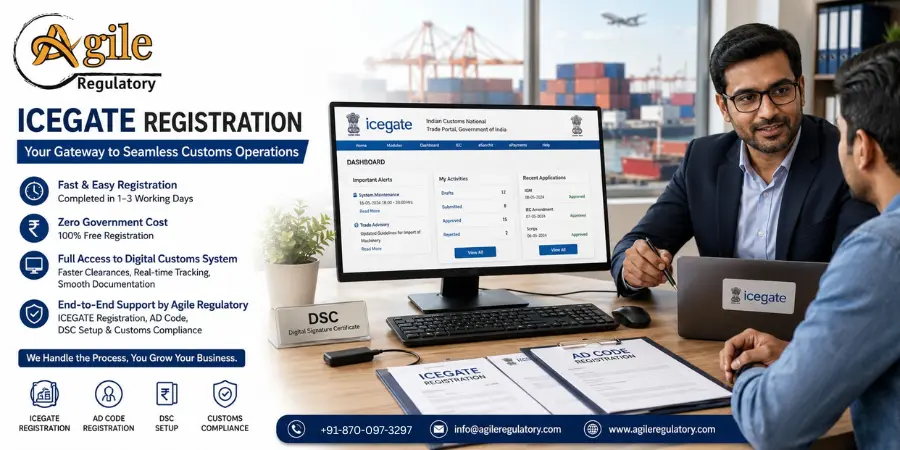
ICEGATE registration is an essential process for import-export businesses in India. It allows importers, exporters, customs brokers, and logistics companies to access online customs services through the Indian Customs Electronic Gateway (ICEGATE). With re
Nishi Chawla
08 May 2026
WPC approval is mandatory for imported electronic products that use wireless or radio frequency technology in India. To get approval, businesses must identify the product category, obtain an ETA (Equipment Type Approval) certificate from the Wireless Plan
Nishi Chawla
21 Apr 2026
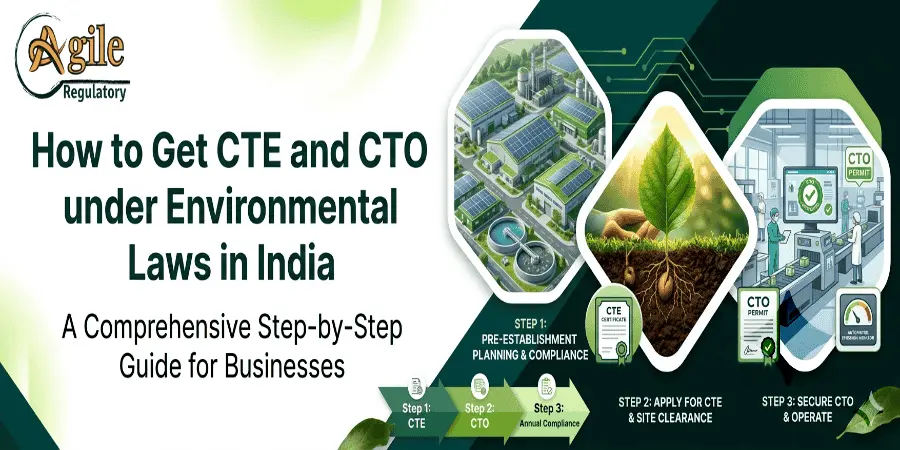
Getting Consent to Establish (CTE) and Consent to Operate (CTO) under environmental laws in India is a mandatory step for industries before starting and running operations. Issued by the State Pollution Control Board, these approvals ensure that businesse
Nishi Chawla
09 Apr 2026
This guide explains the NSIC registration process in Delhi for 2026, covering eligibility criteria, required documents, and application steps. It helps MSMEs understand how to apply and benefit from NSIC schemes efficiently.
Nishi Chawla
08 Apr 2026
Agile Regulatory provides complete support for GACC registration in Gujarat. We assist with documentation, compliance, and smooth application filing. Get quick approval and expand your export business to China with ease.
Nishi Chawla
27 Mar 2026
BIS registration under IS 302 (Part 2/Sec 80): 2017 is mandatory for electric fans to ensure safety and compliance with Indian standards. Our service provides end-to-end support including documentation, product testing, and certification, ensuring a smoot
Vanshika Mathur
25 Mar 2026
The CDSCO registration process in Ahmedabad (2026) is conducted entirely online through the SUGAM portal of the Central Drugs Standard Control Organization. Businesses must first create an account, submit applicant and company details, upload required doc
Nishi Chawla
25 Mar 2026
DGFT registration in Madhya Pradesh and Indore involves online IEC application, document submission, verification, and approval for legal import-export business operations.
Nishi Chawla
25 Mar 2026
The registration process for food delivery platforms like Zomato and Swiggy in Tamil Nadu involves submitting basic business details, FSSAI license, GST information (if applicable), and bank details. After verification, restaurants can onboard their menu,
Nishi Chawla
18 Mar 2026
Direct and Associates offers reliable assistance in obtaining a Private Security Agency License under PSARA. They streamline documentation, compliance, and approval processes for security businesses. Their expertise ensures quick, hassle-free licensing
Nishi Chawla
10 Mar 2026
BIS Registration for Asbestos Cement Pressure Pipes and Joints ensures compliance with IS 1592:2003 standards in India. Manufacturers must obtain BIS certification to use the ISI mark and sell products in the Indian market. Our experts assist with docum
Vanshika Mathur
06 Mar 2026
AGMARK registration in Mumbai helps businesses certify the quality of agricultural products under government standards. The process involves submitting an application to the Directorate of Marketing and Inspection (DMI), providing documents, and product t
Nishi Chawla
27 Feb 2026
BIS Registration for Silica-Asbestos-Cement Flat Sheets under IS 13000:1990 is mandatory to ensure product quality and safety compliance in India. Manufacturers must meet the standards set by the Bureau of Indian Standards before selling in the Indian mar
Divya Saxena
26 Feb 2026
SASO certification is mandatory for many products imported into Saudi Arabia to ensure they meet safety and quality standards.
Divya Saxena
24 Feb 2026
12A and 80G registrations grant NGOs tax exemptions and donor benefits in India, with updated 2026 online compliance procedures.
Vanshika Mathur
23 Feb 2026
FSSAI registration in India for 2026 is done online through the Food Safety Compliance System (FoSCoS) portal, required for all food business operators (FBOs). Small businesses (turnover ₹12 lakh) apply via Form‑A, upload documents, pay fees, and receive
We simplify compliance through a proven 4-step process: Consultation, Documentation, Submission, and certification. From understanding requirements to getting final approvals, we deliver a smooth, timely, and fully compliant journey for your business.


What our customer says about us

Lavkush Sharma
KTPL Instruments
Agile Regulatory handled my BIS Certification registration smoothly. Their expert team ensured quick approvals, transparent pricing, and a completely stress-free compliance experience.

Nitin Mukesh
Justrack IOT
We are grateful to Agile Regulatory for their excellent support. Their team showed patience, expertise, and professionalism throughout, providing clear guidance and making the entire process smooth and hassle-free.
Pradeep Varma
Coaire Compressor
Being an excellent BIS Certification Consultant provider, they help customers with all requirements such as BIS Certification, CDSCO services, Agile Regulatory support, legal issues, and lab testing with quick results.

Bharat Bachwani
Easy Polymer
With the help of Agile Regulatory, we have made significant progress in our business. Their service is fast, genuine, and reliable. We look forward to continued success together in the future.

Atul Jain
Tarus International
Many thanks to Agile Regulatory for all the support, guidance, and expert advice. Their professional approach and consistent assistance have made a significant difference.

Paramjeet Singh
Anchor Weighing
Top-tier consulting! offered strategic solutions that revolutionized our approach. Their deep expertise and personalized guidance made a significant impact on our success. Highly recommend their services.
Anshul Rathi
AM Capacitor
Agile Regulatory exceeded expectations! Their tailored solutions, expertise, and proactive approach led to remarkable results. Highly recommend for businesses seeking impactful and strategic guidance.

Shekhar Maurya
Imaxx Pro Aquistic
Outstanding service! delivered targeted solutions with professionalism and expertise. Their insights elevated our business strategies, resulting in noticeable growth. Highly recommended for exceptional consultation.
Trusted by over 1,00,000 + Global Brands in the past 15+ years


.webp)

.webp)



Leave a Reply
Your email address will not be published. Required fields are marked *