

Get Instant Solution By an Expert Advisor
(4.8)

India is one of the largest producers and consumers of tea in the world. From traditional Assam blends to premium organic green teas, the Indian tea industry continues to grow rapidly in 2026, especially with the rise of e-commerce and specialty tea brands. However, starting a tea business in India requires proper legal registrations and compliance with food safety and commercial regulations. This guide explains everything you need to know about tea business license registration in India in 2026.
A tea business may include tea manufacturing, wholesale trading, retail sales, online selling, exporting, packaging, or private labeling. Since tea is a consumable food product, it falls under food safety regulations. Whether you plan to open a tea café, sell packaged tea online, or export premium loose-leaf tea, obtaining the required licenses is mandatory.
Non-compliance can lead to heavy penalties, cancellation of business operations, and legal action. Therefore, understanding the registration framework is the first step toward building a successful tea venture.
Before applying for licenses, you must decide your business structure. The most common options include:
If you plan to scale nationally or attract investors, a private limited company is usually preferred. Company incorporation is handled through the Ministry of Corporate Affairs (MCA) portal. Your chosen structure will determine compliance requirements, tax treatment, and documentation.
Tea Board Registration in India
Since tea is classified as a food product, obtaining a license from the Food Safety and Standards Authority of India (FSSAI) is compulsory.
There are three types of FSSAI registrations:
Even home-based tea sellers and online tea brands must obtain FSSAI registration. Without it, you cannot legally sell packaged tea in India.
Goods and Services Tax (GST) registration is mandatory if your annual turnover exceeds the prescribed threshold (generally ₹40 lakhs for goods in most states). However, if you sell tea online via platforms like Amazon or Flipkart, GST registration is required irrespective of turnover.
Tea products attract different GST rates depending on processing and packaging. Proper invoicing and filing of GST returns are essential for compliance.
Though not mandatory, MSME registration (Udyam Registration) is highly recommended. It offers benefits such as the following:
Small tea retailers and startups can significantly benefit from MSME status.
If you operate from a physical shop, warehouse, or office, you must obtain a shop and establishment license from the local municipal authority. This registration governs working hours, employee conditions, and business operations within a specific state.
If you are involved in large-scale trading or exports, additional approvals may be required.
Businesses engaged in tea export or large-scale trading may need registration with the Tea Board of India. The Tea Board regulates tea production, quality standards, and export norms.
Registration ensures adherence to quality benchmarks and allows participation in government export schemes.
If you plan to export tea internationally, you must obtain an import-export code from the Directorate General of Foreign Trade (DGFT). Without IEC, you cannot legally conduct cross-border trade.
Here is a simplified roadmap for setting up your tea business legally:
After registration, maintaining compliance is equally important.
Food labeling must comply with FSSAI packaging norms, including:
Improper labeling can attract penalties or product recalls.
Tea Board Kolkata Registration Process, Documents, and Fees
The cost of starting a tea business legally depends on scale:
Registering your tea business properly offers long-term advantages:
India’s tea industry continues to present lucrative opportunities for entrepreneurs. However, success depends on starting your venture on a strong legal foundation. From FSSAI registration to GST compliance and Tea Board approvals, each step ensures your business operates smoothly and legally.
If you plan carefully, choose the right structure, and complete the necessary registrations, your tea business can scale confidently in India’s growing and competitive marketplace.
Post Views: 807


.webp)
Nishi Chawla
08 May, 2026
.webp)
Nishi Chawla
08 May, 2026
Nishi Chawla
07 May, 2026
Nishi Chawla
07 May, 2026
Nishi Chawla
07 May, 2026
Get Instant Solution By an Expert Advisor
(4.8)
You might also be interested in these articles.
Nishi Chawla
07 May 2026
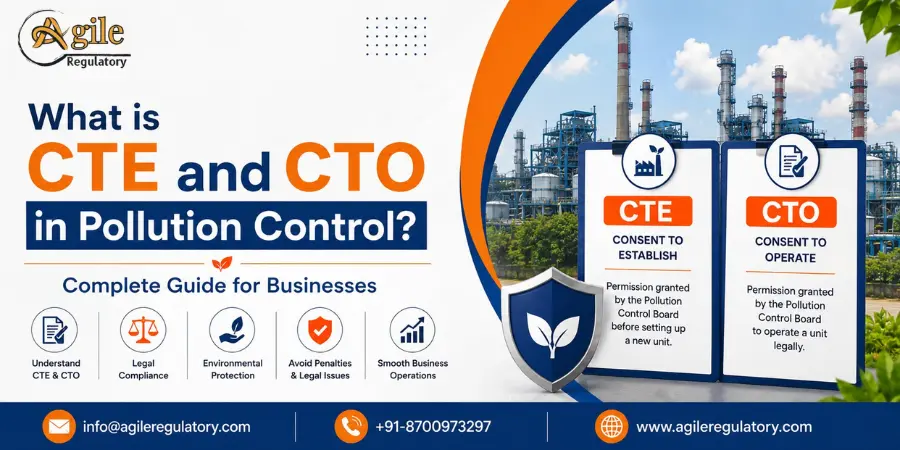
CTE (Consent to Establish) and CTO (Consent to Operate) are mandatory pollution control approvals required for industries before starting and operating a business. This guide explains their importance, process, and compliance requirements for businesses i
Nishi Chawla
27 Apr 2026
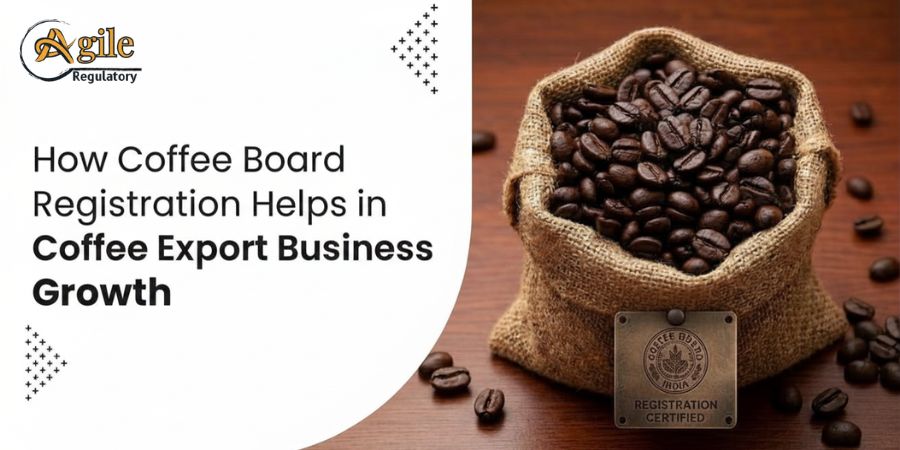
Coffee Board registration provides coffee growers and exporters with legal recognition, quality certification, and access to government support. It enables businesses to participate in international trade, ensures compliance with export regulations, and e
Nishi Chawla
25 Apr 2026
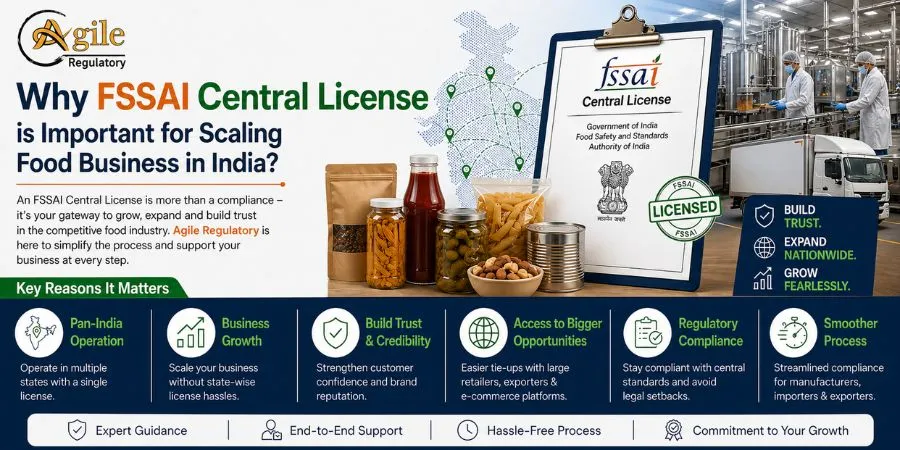
An FSSAI central license is essential for food businesses aiming to scale across India. It ensures legal compliance, builds consumer trust, and allows operations in multiple states and large-scale production.
Nishi Chawla
20 Apr 2026
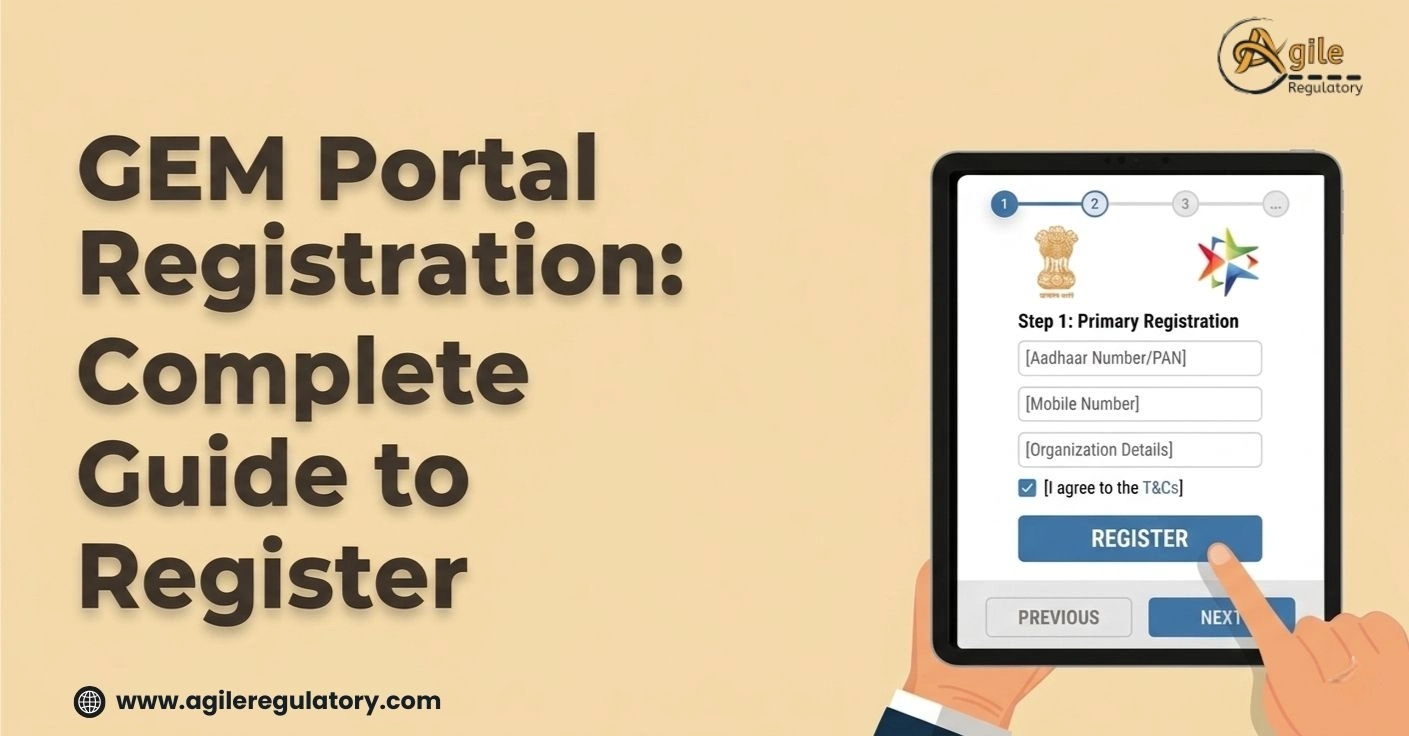
The GeM (Government e-Marketplace) Portal Registration is a simple online process that allows sellers, service providers, and organizations to register and sell goods or services directly to government departments in India.
Nishi Chawla
20 Apr 2026
Rubber Board Registration helps rubber businesses gain official recognition, access government benefits, improve market credibility, and expand trade opportunities. It ensures compliance with industry regulations and supports better pricing, exports, and
Nishi Chawla
14 Apr 2026
Choosing between a Private Limited Company and a Limited Liability Partnership (LLP) in India depends on factors like ownership structure, compliance requirements, taxation, and scalability. This guide compares both business structures to help entrepreneu
Nishi Chawla
02 Apr 2026
CTE (Consent to Establish) is a mandatory approval from pollution control authorities before starting a business. It ensures your operations comply with environmental laws and regulations. With stricter norms in 2026, obtaining CTE is essential for smoo
Nishi Chawla
02 Apr 2026
CTO (Consent to Operate) is legal approval for businesses, ensuring compliance, avoiding penalties, and enabling smooth operations in 2026.
Sanskriti
14 Feb 2026
The International Business Environment (IBE) includes the economic, political, legal, cultural, technological, and competitive factors that affect businesses operating across borders. Understanding these factors helps companies reduce risks, ensure compli
Vanshika Mathur
06 Feb 2026
Starting a masala business in India in 2026 is a high-potential opportunity driven by rising demand for packaged spices, low entry barriers, and strong domestic and export markets. This guide explains the complete process—from licenses and setup to brandi
Vanshika Mathur
30 Jan 2026
Starting a mushroom cultivation business in India? You need an FSSAI license to legally grow, package, or sell mushrooms, ensuring food safety compliance. The process is simple and fully online through the FoSCoS portal.
Vanshika Mathur
28 Jan 2026
Looking to start a restaurant or food business in 2026? Getting your FSSAI license is mandatory. This guide walks you through the application process, required documents, and important tips to get your license quickly.
We simplify compliance through a proven 4-step process: Consultation, Documentation, Submission, and certification. From understanding requirements to getting final approvals, we deliver a smooth, timely, and fully compliant journey for your business.


What our customer says about us

Lavkush Sharma
KTPL Instruments
Agile Regulatory handled my BIS Certification registration smoothly. Their expert team ensured quick approvals, transparent pricing, and a completely stress-free compliance experience.

Nitin Mukesh
Justrack IOT
We are grateful to Agile Regulatory for their excellent support. Their team showed patience, expertise, and professionalism throughout, providing clear guidance and making the entire process smooth and hassle-free.
Pradeep Varma
Coaire Compressor
Being an excellent BIS Certification Consultant provider, they help customers with all requirements such as BIS Certification, CDSCO services, Agile Regulatory support, legal issues, and lab testing with quick results.

Bharat Bachwani
Easy Polymer
With the help of Agile Regulatory, we have made significant progress in our business. Their service is fast, genuine, and reliable. We look forward to continued success together in the future.

Atul Jain
Tarus International
Many thanks to Agile Regulatory for all the support, guidance, and expert advice. Their professional approach and consistent assistance have made a significant difference.

Paramjeet Singh
Anchor Weighing
Top-tier consulting! offered strategic solutions that revolutionized our approach. Their deep expertise and personalized guidance made a significant impact on our success. Highly recommend their services.
Anshul Rathi
AM Capacitor
Agile Regulatory exceeded expectations! Their tailored solutions, expertise, and proactive approach led to remarkable results. Highly recommend for businesses seeking impactful and strategic guidance.

Shekhar Maurya
Imaxx Pro Aquistic
Outstanding service! delivered targeted solutions with professionalism and expertise. Their insights elevated our business strategies, resulting in noticeable growth. Highly recommended for exceptional consultation.
Trusted by over 1,00,000 + Global Brands in the past 15+ years


(1).webp)




Leave a Reply
Your email address will not be published. Required fields are marked *