


Get Instant Solution By an Expert Advisor
(4.8)
Fast replies · No spam · Real experts
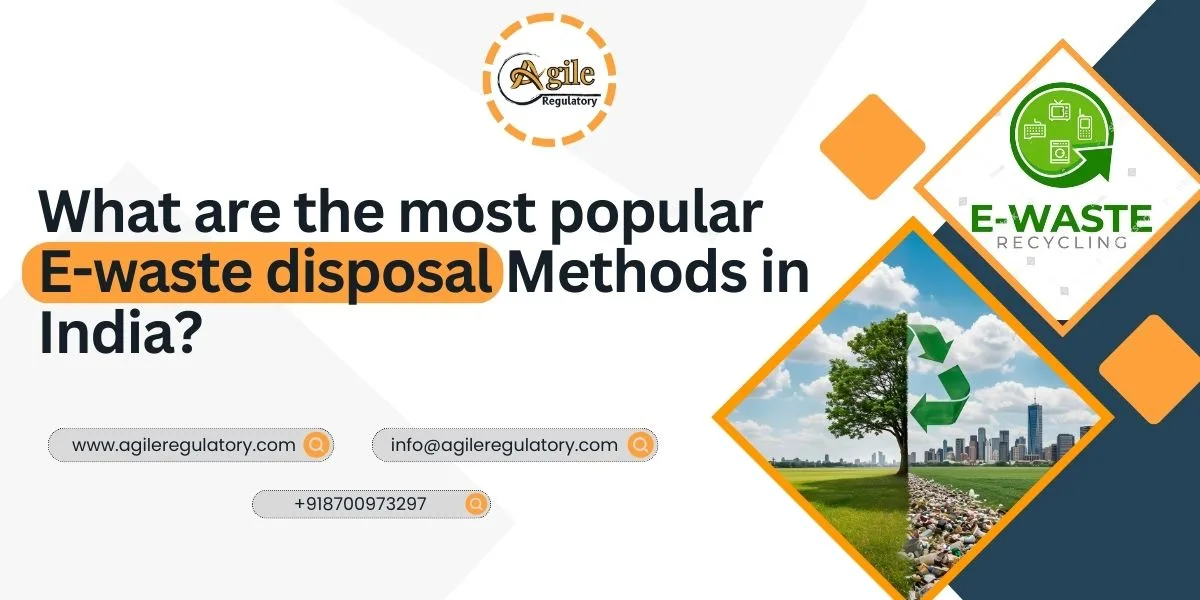
Electronic waste, commonly known as e-waste, has become one of the fastest-growing waste streams in India. With millions of smartphones, laptops, televisions, and other electronic devices being replaced every year, the amount of discarded electronics continues to increase rapidly. India is already among the world’s largest generators of e-waste, producing millions of tonnes annually due to rising digital adoption and shorter device lifecycles.
But the bigger concern is not just the volume of waste—it’s how we dispose of it. Improper handling of electronic waste can release harmful substances like lead, mercury, and cadmium into the environment, causing severe health and environmental risks. That’s why proper e-waste disposal methods have become essential in India.
One of the most common and recommended methods for e-waste disposal in India is recycling through authorized recyclers. In this process, discarded electronics are collected and transported to certified recycling facilities where they are dismantled safely.
At these facilities, electronic devices are broken down into different components such as plastic, glass, and metals like copper, aluminum, and gold. These materials are then recovered and reused in manufacturing new products.
The Government of India strongly encourages this method under the E-Waste (Management) Rules, 2022, which require recyclers and dismantlers to register with the Central Pollution Control Board (CPCB) and follow environmentally sound recycling technologies.
Another popular method of e-waste disposal is refurbishment and reuse. Instead of discarding electronic devices immediately, many products such as laptops, smartphones, and office equipment can be repaired, upgraded, and reused.
Refurbishers restore used electronics and resell them at lower prices or donate them to educational institutions and communities. This method extends the lifecycle of electronic products and significantly reduces the amount of waste generated.
The Indian government supports refurbishment under its e-waste rules, encouraging refurbishers to register with regulatory authorities and manage end-of-life electronics responsibly.
Setup an E waste Recycling and Dismantling Plant?
One of the most important frameworks in India’s e-waste management system is Extended Producer Responsibility (EPR).
Under EPR, manufacturers and producers of electronic products are responsible for collecting and recycling the e-waste generated from their products. This means companies must create collection mechanisms such as take-back programs, drop-off centers, or recycling partnerships.
The government introduced EPR under the E-Waste Management Rules, 2016, and strengthened it further through the E-Waste (Management) Rules, 2022. These rules require producers, recyclers, and refurbishers to register on a CPCB portal and meet annual recycling targets.
Many cities in India now have authorized collection centers where individuals and businesses can safely dispose of old electronics.
These centers collect items such as:
Once collected, the e-waste is sent to certified dismantlers and recyclers for safe processing.
Municipal bodies and environmental agencies are increasingly setting up such facilities to promote proper disposal. For example, some urban areas have introduced dedicated e-waste collection initiatives to improve recycling rates and reduce landfill pressure.
Before recycling, most electronic waste goes through a dismantling process. This involves manually or mechanically separating electronic devices into different parts.
During dismantling, reusable and recyclable components such as circuit boards, cables, and metal parts are extracted. Hazardous components like batteries and mercury lamps are handled separately to prevent environmental contamination.
Authorized dismantlers must follow strict safety guidelines and environmental standards set by the CPCB and State Pollution Control Boards.
What are the most effective ways to dispose of battery waste in India?
Electronic devices contain toxic substances that cannot simply be dumped in landfills. Proper disposal methods involve isolating hazardous components such as:
These components are treated or disposed of using specialized waste management processes that prevent contamination of soil, water, and air.
Government regulations require authorized recyclers to use environmentally sound technologies when handling hazardous e-waste materials.
India has implemented several regulatory measures to strengthen e-waste management.
The Ministry of Environment, Forest and Climate Change (MoEFCC) introduced the E-Waste Management Rules, which outline responsibilities for producers, recyclers, refurbishers, and consumers. These rules focus on scientific disposal, recycling targets, and integration of the informal recycling sector into the formal system.
The Central Pollution Control Board (CPCB) and State Pollution Control Boards also monitor recycling units, conduct inspections, and promote awareness about responsible e-waste disposal.
E-waste management is a critical environmental challenge for India, but with the right disposal methods and regulations, it can also become an opportunity for sustainability. Methods such as authorized recycling, refurbishment, producer take-back programs, collection centers, dismantling, and safe hazardous waste disposal are helping the country move toward more responsible electronic waste management.
However, awareness and compliance remain key. Businesses, manufacturers, and consumers must work together to ensure that electronic waste is disposed of properly rather than ending up in landfills or informal recycling channels.
If your organization needs expert support for E-waste compliance, recycling partnerships, and regulatory approvals, AgileRegulatory can help streamline the entire process. From EPR registration to compliance management, AgileRegulatory ensures that your business follows India’s e-waste regulations while contributing to a cleaner and more sustainable environment.


We simplify compliance through a proven 4-step process: Consultation, Documentation, Submission, and certification. From understanding requirements to getting final approvals, we deliver a smooth, timely, and fully compliant journey for your business.


What our customer says about us

Lavkush Sharma
KTPL Instruments
Agile Regulatory handled my BIS Certification registration smoothly. Their expert team ensured quick approvals, transparent pricing, and a completely stress-free compliance experience.

Nitin Mukesh
Justrack IOT
We are grateful to Agile Regulatory for their excellent support. Their team showed patience, expertise, and professionalism throughout, providing clear guidance and making the entire process smooth and hassle-free.
Pradeep Varma
Coaire Compressor
Being an excellent BIS Certification Consultant provider, they help customers with all requirements such as BIS Certification, CDSCO services, Agile Regulatory support, legal issues, and lab testing with quick results.

Bharat Bachwani
Easy Polymer
With the help of Agile Regulatory, we have made significant progress in our business. Their service is fast, genuine, and reliable. We look forward to continued success together in the future.

Atul Jain
Tarus International
Many thanks to Agile Regulatory for all the support, guidance, and expert advice. Their professional approach and consistent assistance have made a significant difference.

Paramjeet Singh
Anchor Weighing
Top-tier consulting! offered strategic solutions that revolutionized our approach. Their deep expertise and personalized guidance made a significant impact on our success. Highly recommend their services.
Anshul Rathi
AM Capacitor
Agile Regulatory exceeded expectations! Their tailored solutions, expertise, and proactive approach led to remarkable results. Highly recommend for businesses seeking impactful and strategic guidance.

Shekhar Maurya
Imaxx Pro Aquistic
Outstanding service! delivered targeted solutions with professionalism and expertise. Their insights elevated our business strategies, resulting in noticeable growth. Highly recommended for exceptional consultation.
Trusted by over 1,00,000 + Global Brands in the past 15+ years





Leave a Reply
Your email address will not be published. Required fields are marked *