


Get Instant Solution By an Expert Advisor
(4.8)
Fast replies · No spam · Real experts
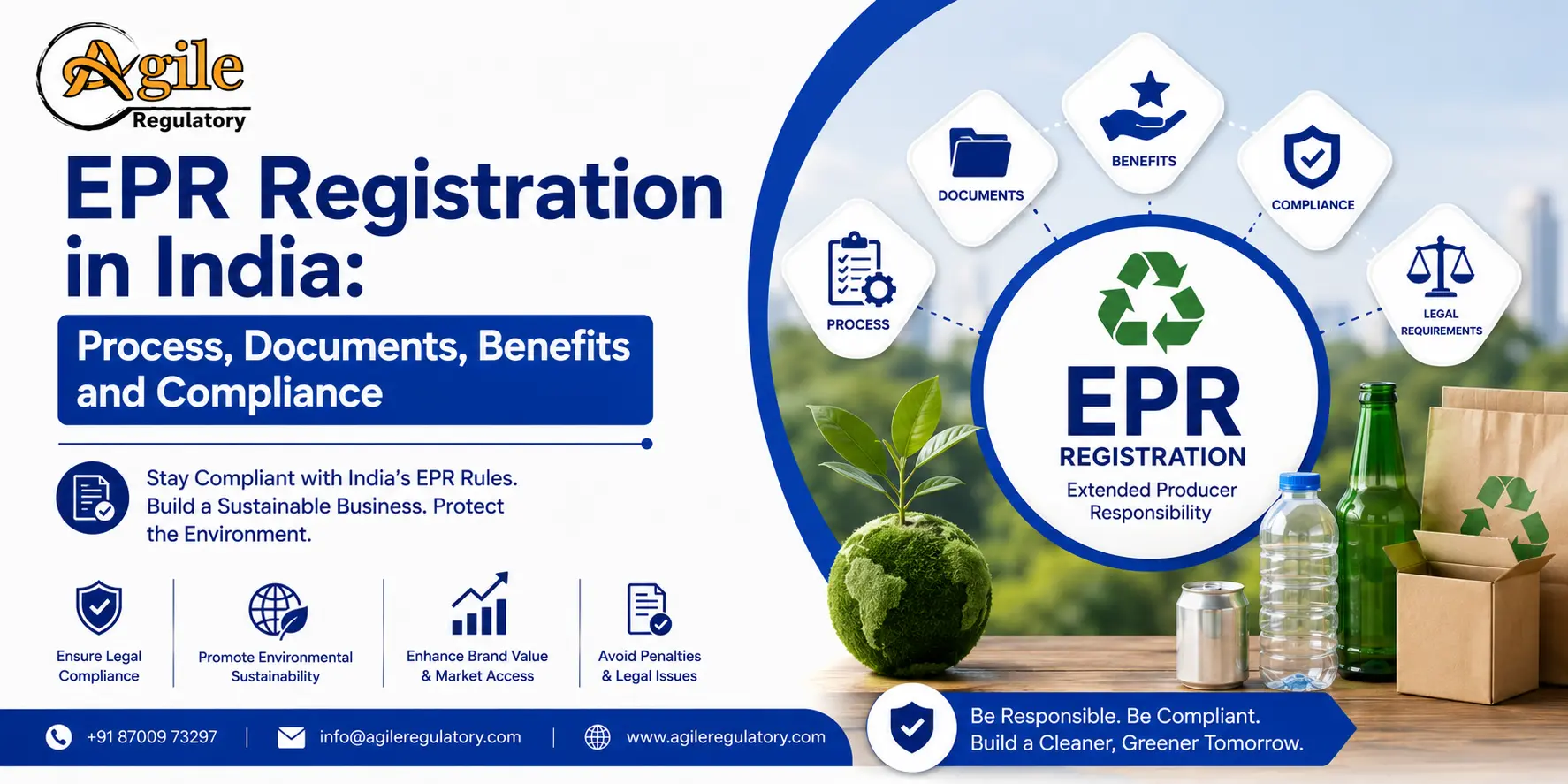
EPR Registration is generally required for businesses covered under the relevant waste management rules and regulations. Depending on the type of product or waste, registration may be required through the applicable Central Pollution Control Board (CPCB) portal. Businesses may need to fulfil additional responsibilities after registration, such as meeting recycling targets, maintaining records and filing returns.
EPR stands for Extended Producer Responsibility. It is an environmental policy approach under which producers and other covered entities are responsible for ensuring proper management of waste associated with their products after the end of their useful life.
EPR Registration is the process through which an eligible entity registers with the concerned regulatory authority under the applicable EPR framework. The exact registration requirements depend on the type of waste involved. In India, separate EPR frameworks apply to categories such as plastic packaging, electronic waste, batteries and waste tyres.
The objective of EPR is to encourage businesses to take responsibility for the environmental impact of their products. Instead of leaving waste management entirely to local authorities or consumers, the system encourages producers and other responsible entities to participate in collection, recycling, processing and environmentally sound disposal.
The applicability of EPR depends on the nature of the business, products handled and applicable waste management regulations. Manufacturers, producers, importers and brand owners may fall under EPR requirements when their products or packaging are covered by the relevant rules.
Businesses importing products into India can also become responsible for EPR compliance when their imported products or packaging fall within an applicable category. Similarly, companies selling products under their own brand may have responsibilities as brand owners.
The exact applicability should be determined by examining the product, packaging material, quantity placed on the market and the relevant regulatory framework. Businesses dealing with more than one regulated product category may also need to evaluate each category separately.
India has different EPR frameworks for different waste streams. Plastic Waste EPR applies to eligible producers, importers and brand owners dealing with regulated plastic packaging. The framework focuses on responsible management and recycling of plastic waste generated from packaging placed in the market.
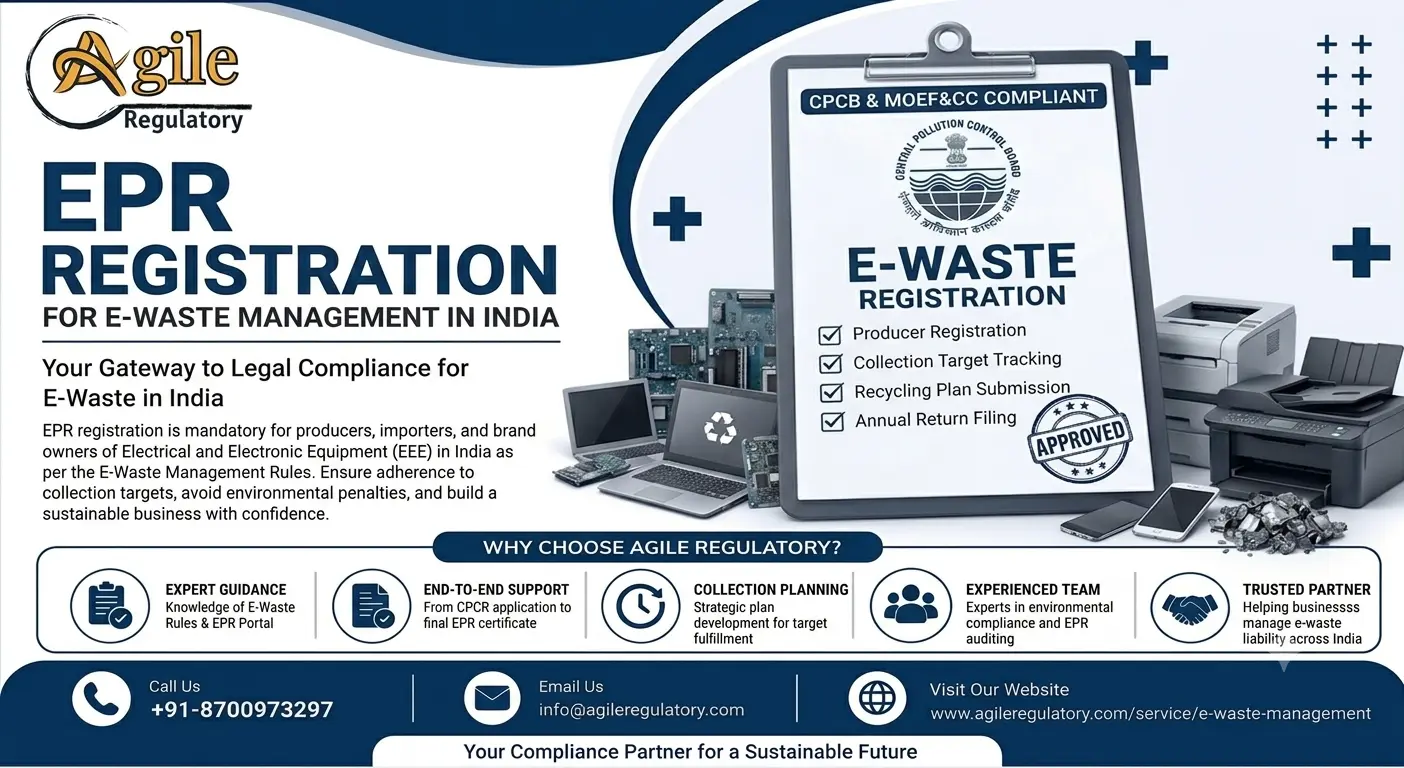
E-Waste EPR applies to producers and other covered entities dealing with electrical and electronic equipment. Businesses covered by the E-Waste Management Rules may have responsibilities relating to recycling targets and environmentally sound management of electronic waste.
Battery Waste EPR applies to covered producers and other entities dealing with batteries. The Battery Waste Management Rules, 2022 introduced an organised framework for collection, recycling and responsible management of waste batteries.
Waste Tyre EPR applies to relevant producers, recyclers and other covered stakeholders dealing with waste tyres. Businesses falling under this framework need to comply with the applicable registration and waste management requirements.
As EPR regulations continue to develop, businesses should regularly check the latest requirements applicable to their products and operations.
EPR Registration plays an important role in helping businesses meet their environmental compliance responsibilities. It provides a formal mechanism through which covered businesses can participate in the waste management system established by the regulatory authorities.
Compliance also demonstrates that a business is taking responsibility for the environmental impact associated with its products. This can help improve the company's environmental reputation and support responsible business practices.
For businesses operating in regulated sectors, maintaining proper EPR compliance can also reduce the risk of regulatory complications. Registration should therefore not be treated as a one-time certificate but as part of an ongoing environmental compliance process.
The EPR registration process generally starts with identifying the applicable waste category. A business must first determine whether its products or packaging fall under plastic waste, e-waste, battery waste, waste tyre or another applicable EPR framework.
After determining the applicable category, the business needs to collect the required business and product information. Details relating to the legal entity, authorised person, products, manufacturing or import activities and waste-related information may be required depending on the applicable portal.
The applicant then creates an account on the relevant online portal and enters the required information. Supporting documents and declarations are uploaded as required by the applicable registration system.
Once the application is submitted, it may be reviewed by the concerned authority. If any discrepancy or missing information is identified, the applicant may receive a clarification or query. The applicant needs to provide the required response within the prescribed process.
After successful verification and completion of the applicable requirements, the registration is issued through the relevant system. However, obtaining registration does not necessarily complete the company's EPR responsibilities. Ongoing compliance may continue through recycling targets, record maintenance, certificate requirements and return filing.
The documents required for EPR Registration can vary depending on the type of EPR application and the nature of the applicant. Generally, businesses may need to provide their incorporation or registration documents, PAN, GST details and registered office information.
Details of the authorised person may also be required during the application process. Depending on the category, the applicant may need to provide information about products, brands, manufacturing activities, imports, packaging materials and quantities placed in the market.
Additional documents may be required where the business is already registered under an earlier EPR framework or where the application involves recyclers, processors, refurbishers or other regulated entities. Because requirements can differ between EPR categories, businesses should prepare documents according to the specific CPCB portal and applicable rules.
EPR Registration: A Step-by-Step Guide!
The term EPR Certification is commonly used by businesses when referring to EPR registration or evidence of EPR compliance. However, EPR registration and EPR certificates can have different meanings depending on the applicable regulatory framework.
EPR registration generally establishes the regulatory registration of an eligible entity. An EPR certificate or credit, where provided under a particular framework, can be associated with recycling or processing activities and may be used for fulfilling applicable EPR obligations.
Therefore, businesses should understand the difference between registration and ongoing EPR compliance rather than assuming that obtaining one registration document automatically completes all environmental obligations.
EPR compliance does not necessarily end after registration is granted. Depending on the applicable waste category, a registered business may need to fulfil recycling or processing targets and maintain appropriate records of products placed in the market.
Businesses may also be required to complete periodic or annual return filing through the relevant portal. Information relating to recycling, waste processing and EPR certificates may need to be maintained and submitted according to the applicable regulatory requirements.
Proper record keeping is therefore an important part of EPR compliance. Businesses should maintain accurate information regarding their products, quantities, packaging and recycling activities so that the required compliance information can be submitted correctly.
An EPR Consultant can help businesses understand the regulatory requirements applicable to their products and operations. Professional assistance can be useful for companies that are unfamiliar with CPCB portals or are dealing with multiple EPR categories.
An EPR consultant can assist with identifying the applicable registration category, preparing application information, reviewing documents and guiding the applicant through the online registration process. Consultants may also provide support when the regulatory authority raises queries or requests additional information.
After registration, professional assistance can also help businesses understand their continuing compliance responsibilities, including return filing, target-related requirements and documentation.
An EPR Agent generally assists businesses with administrative and procedural aspects of the registration and compliance process. The scope of an agent's work may include helping collect documents, preparing application information, coordinating with the business team, and supporting communication related to the application.
Businesses should ensure that an agent or service provider follows the applicable CPCB portal requirements and does not misuse the applicant's credentials. Official contact information and authorised-person details should be handled carefully during the registration process.
Choosing an experienced professional can help reduce errors and make the registration process more organised.
EPR Registration helps businesses establish their compliance status under the applicable environmental framework. It also encourages companies to develop a structured approach toward waste management and recycling.
Another important benefit is improved transparency. Businesses can maintain records of products placed in the market and their corresponding waste management responsibilities. This can make it easier to monitor compliance requirements and respond to regulatory queries.
EPR compliance can also support a company's environmental image. Consumers, investors and business partners are increasingly interested in sustainable business practices, and responsible waste management can contribute positively to a company's reputation.
EPR applications can take longer when the information submitted by the applicant is incomplete or inconsistent. Differences between business documents and application information can also result in queries from the authority.
Incorrect selection of the EPR category, incomplete product information, missing declarations or inadequate supporting documents can create additional delays. Businesses may also experience delays when they do not respond promptly to regulatory queries.
Preparing the application carefully before submission can help reduce avoidable errors and make the process more efficient.
The cost of EPR Registration depends on several factors, including the applicable EPR category, type of applicant, scale of operations and services required. Government or portal-related charges, where applicable, may differ according to the relevant framework.
Professional consultancy charges can also vary depending on whether the business requires only registration assistance or additional support for documentation, compliance, return filing and other EPR-related activities.
Businesses should therefore determine the complete scope of their requirements before estimating the total cost of EPR compliance.
The processing time for EPR Certification can vary depending on the type of application, completeness of documents, accuracy of information, and regulatory review. Applications containing complete and consistent information are generally easier to process than applications requiring repeated clarifications.
If the authority raises a query, the overall timeline may increase depending on the time required to prepare and submit the response.
Businesses should therefore avoid waiting until the last moment and should start the registration process after identifying their applicable EPR obligations.
EPR regulations involve technical requirements that may be difficult for businesses to understand without prior experience. Professional assistance can help simplify the application process and ensure that important requirements are not overlooked.
An experienced consultant can review the business model, identify the relevant EPR category, assist with documentation, and guide the applicant through the online portal. Continued support can also be useful for businesses that need help managing post-registration compliance.
EPR Registration for Plastic Waste
Agile Regulatory provides regulatory compliance assistance to businesses dealing with different environmental and product-related requirements. The team can assist businesses in understanding applicable EPR requirements and managing the registration process.
From document preparation and application assistance to regulatory query support and ongoing compliance guidance, professional assistance can make EPR compliance more organised and manageable.
Businesses should assess their applicable waste category and compliance responsibilities before beginning the registration process to ensure that the correct registration route is followed.
EPR is an important part of India's environmental compliance system and places greater responsibility on businesses for managing waste associated with their products and packaging. Depending on the nature of the business, different EPR frameworks may apply to plastic waste, electronic waste, batteries, waste tyres and other regulated categories.
EPR Registration is an important first step, but businesses should also understand their continuing obligations after registration. Maintaining records, meeting applicable targets and completing required returns can be essential for maintaining proper compliance.
With the support of an experienced EPR Consultant or EPR Agent, businesses can simplify the registration process, prepare the required information and manage their compliance responsibilities more effectively. Proper planning and timely compliance can help businesses meet regulatory expectations while contributing to a more sustainable waste management system.
EPR Registration is the registration process for businesses covered under applicable Extended Producer Responsibility regulations. It enables eligible entities to fulfil their responsibilities relating to the collection, recycling, processing or management of regulated waste.
Manufacturers, producers, importers, brand owners and other entities may require EPR Registration depending on the product, packaging and applicable waste management rules.
EPR Certification and EPR Registration are often used interchangeably in general business communication, but they may represent different compliance concepts depending on the applicable EPR framework. Registration establishes the required regulatory status, while EPR certificates or credits may relate to recycling or fulfilment of EPR obligations.
Yes. An EPR Consultant can assist with identifying the applicable EPR category, preparing documents, completing the application, responding to queries and understanding post-registration compliance requirements.
An EPR Agent can provide administrative and procedural support during the registration process. Depending on the agreed scope, the agent may assist with documentation, application preparation, portal-related activities and compliance coordination.


You might also be interested in these articles.
Preeti Gupta
09 Sep 2026
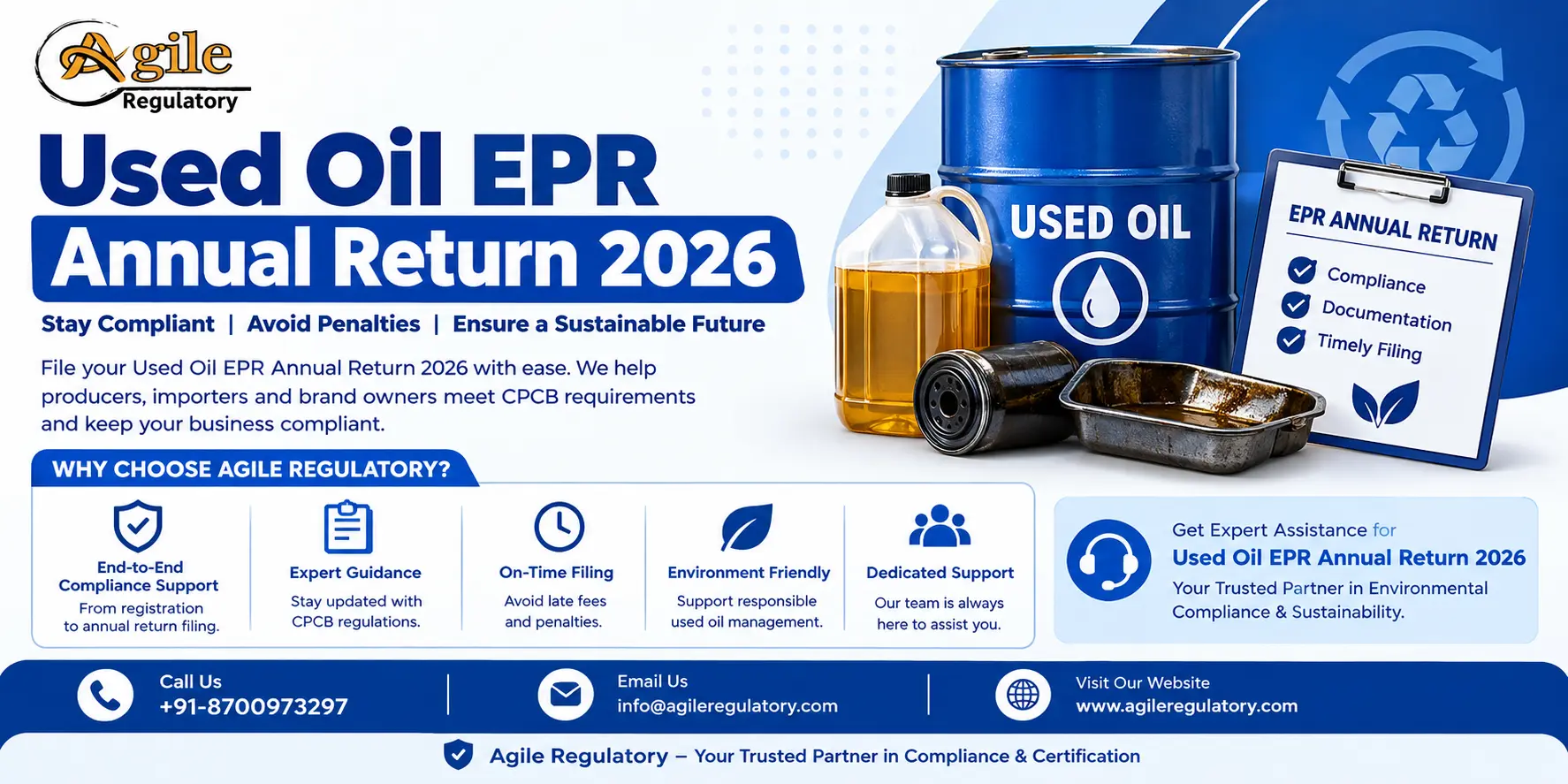
Understand the Used Oil EPR Annual Return 2026 deadline, filing process, compliance requirements, and key steps businesses need to follow for smooth EPR compliance in India.
Divya Saxena
20 Aug 2026
EPR Registration for E-Waste Management in India helps businesses comply with e-waste regulations by ensuring responsible collection, recycling, and disposal of electronic waste.
Divya Saxena
20 Aug 2026
Can a dead electric vehicle battery be reused or recycled? Learn how battery reuse, recycling, EPR registration, and battery waste compliance work in India.
Preeti Gupta
13 Aug 2026
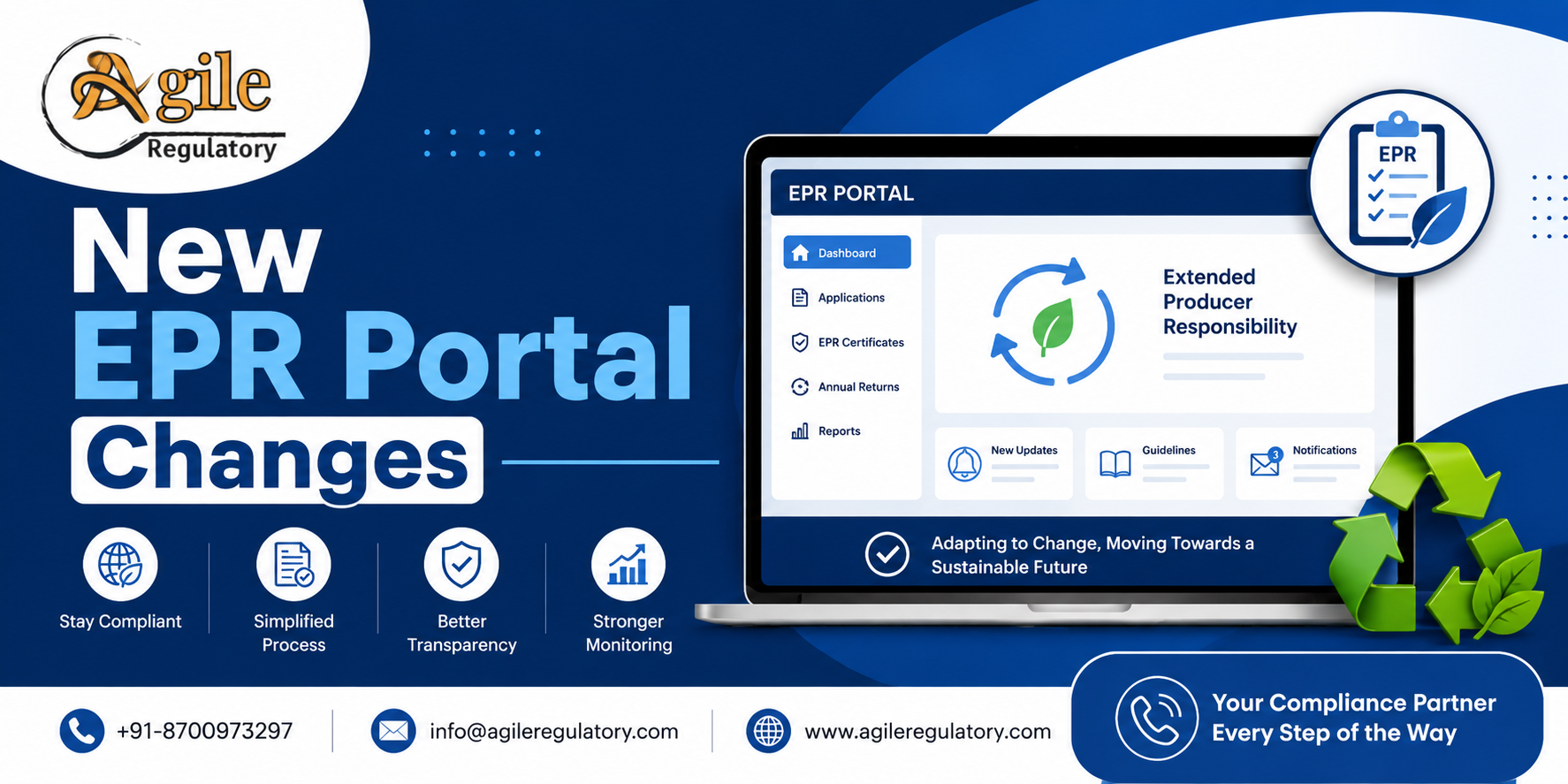
The EPR system in India is becoming more digital and compliance-focused, making it important for Producers, Importers and Brand Owners (PIBOs) to maintain accurate registration details, waste-processing records and annual returns. Understanding the latest
Nishi Chawla
04 Jun 2026
EPR Registration in Ghaziabad is a mandatory compliance requirement for businesses involved in manufacturing, importing, selling, or branding products that generate plastic waste, e-waste, battery waste, or other regulated waste streams. Under the Extende
Nishi Chawla
04 May 2026
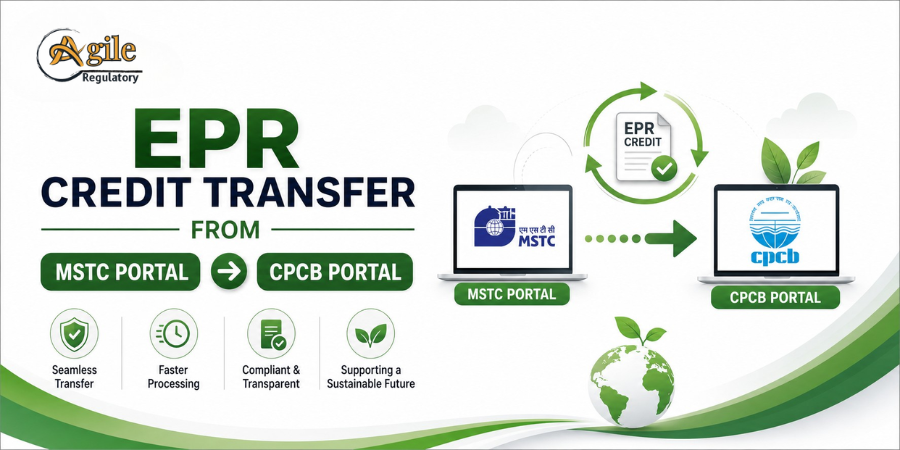
EPR credit transfer from MSTC to the CPCB portal is an essential step for producers, importers, and brand owners to meet their Extended Producer Responsibility
Nishi Chawla
01 May 2026
New importers need to register under EPR with the Central Pollution Control Board (CPCB) and ensure proper waste collection, recycling, or disposal through authorized recyclers. They must maintain records, meet annual targets, and submit compliance report
Nishi Chawla
01 May 2026
Manufacturers can reduce EPR credit costs during high-demand periods by adopting a proactive and strategic approach. Key steps include building long-term partnerships with authorized recyclers, securing credits in advance when prices are lower, and mainta
Nishi Chawla
30 Apr 2026
This guide explains the complete process of bulk uploading EPR invoices on the CPCB portal, helping businesses manage compliance efficiently and avoid common submission errors.
Nishi Chawla
15 Apr 2026
EPR applications in India often get rejected due to incomplete documentation, incorrect details, or non-compliance with guidelines set by the Central Pollution Control Board. This 2026 guide explains the common reasons for rejection and provides practical
Divya Saxena
24 Mar 2026
EPR credits are earned via certified recyclers processing e-waste, enabling producers to meet targets, maintain compliance, and support sustainable waste management.
Vanshika Mathur
24 Mar 2026
Businesses can obtain EPR (Extended Producer Responsibility) credits by purchasing them from CPCB-authorized Plastic Waste Processors (PWPs). These processors recycle plastic waste and generate credits on the Central Pollution Control Board portal. Compan
Vanshika Mathur
13 Mar 2026
Renewing an EPR certificate is essential for businesses dealing with e-waste, plastic, batteries, or tyres in India. This guide explains the EPR renewal process, documents required, and timelines for 2026. Learn how to stay compliant with CPCB regulatio
We simplify compliance through a proven 4-step process: Consultation, Documentation, Submission, and certification. From understanding requirements to getting final approvals, we deliver a smooth, timely, and fully compliant journey for your business.


What our customer says about us

Lavkush Sharma
KTPL Instruments
Agile Regulatory handled my BIS Certification registration smoothly. Their expert team ensured quick approvals, transparent pricing, and a completely stress-free compliance experience.

Nitin Mukesh
Justrack IOT
We are grateful to Agile Regulatory for their excellent support. Their team showed patience, expertise, and professionalism throughout, providing clear guidance and making the entire process smooth and hassle-free.
Pradeep Varma
Coaire Compressor
Being an excellent BIS Certification Consultant provider, they help customers with all requirements such as BIS Certification, CDSCO services, Agile Regulatory support, legal issues, and lab testing with quick results.

Bharat Bachwani
Easy Polymer
With the help of Agile Regulatory, we have made significant progress in our business. Their service is fast, genuine, and reliable. We look forward to continued success together in the future.

Atul Jain
Tarus International
Many thanks to Agile Regulatory for all the support, guidance, and expert advice. Their professional approach and consistent assistance have made a significant difference.

Paramjeet Singh
Anchor Weighing
Top-tier consulting! offered strategic solutions that revolutionized our approach. Their deep expertise and personalized guidance made a significant impact on our success. Highly recommend their services.
Anshul Rathi
AM Capacitor
Agile Regulatory exceeded expectations! Their tailored solutions, expertise, and proactive approach led to remarkable results. Highly recommend for businesses seeking impactful and strategic guidance.

Shekhar Maurya
Imaxx Pro Aquistic
Outstanding service! delivered targeted solutions with professionalism and expertise. Their insights elevated our business strategies, resulting in noticeable growth. Highly recommended for exceptional consultation.
Trusted by over 1,00,000 + Global Brands in the past 15+ years


 Extended Producer Responsibility, commonly known as EPR, is an important environmental compliance framework in India. It places responsibility on manufacturers, producers, importers, and brand owners for managing the waste generated from products or packaging introduced into the Indian market. With increasing focus on recycling, waste management and environmental protection, businesses dealing with regulated products are required to understand their applicable EPR obligations.
.webp)
.webp)



Leave a Reply
Your email address will not be published. Required fields are marked *