


Get Instant Solution By an Expert Advisor
(4.8)
Fast replies · No spam · Real experts

If your business uses plastic packaging, you’ve probably heard about EPR (Extended Producer Responsibility). But when it comes to actually getting EPR credits, things can feel confusing at first. Don’t worry—once you understand the process, it’s pretty straightforward.
Let’s break it down in a simple, conversational way so you know exactly what to do.
EPR credits are proof that a certain amount of plastic waste has been collected, recycled, or processed on your behalf. Under India’s Plastic Waste Management Rules, businesses like manufacturers, importers, and brand owners (PIBOs) are responsible for managing the plastic they introduce into the market.
Instead of physically collecting waste yourself, you can partner with authorized recyclers—called Plastic Waste Processors (PWPs)—who do the job for you and generate credits.
These credits are tracked through the Central Pollution Control Board (CPCB) portal, making compliance transparent and accountable.
Not just anyone can sell EPR credits. You must buy them from CPCB-authorized Plastic Waste Processors (PWPs). These include:
Each PWP must be registered on the CPCB EPR portal and should have valid authorization to generate credits.
EPR Registration for Plastic Packaging in 2026
Let’s walk through the exact steps you should follow:
Before buying credits, your business must be registered as a PIBO on the CPCB portal. This includes:
Once approved, you’ll get access to your EPR dashboard, where all transactions happen.
Your EPR target depends on how much plastic you introduced into the market in previous years.
For example:
This is your EPR liability, and you need to purchase credits accordingly.
Now comes the important part—choosing the right recycler.
On the CPCB portal, you’ll find a list of authorized PWPs. While selecting one, check:
It’s always better to work with a reliable and experienced PWP to avoid compliance issues later.
Once you shortlist a PWP, you can negotiate:
After agreement, the transaction is done through the CPCB portal. The PWP will transfer the credits to your account digitally.
After purchase, always verify that:
This step is crucial because incorrect or fake credits can lead to penalties.
Even though everything is digital, documentation is still important. Keep records of:
These documents may be required during audits or inspections.
Here are a few practical tips that can save you from trouble:
Many businesses make these mistakes when dealing with EPR credits:
Avoiding these errors will make your compliance smooth and stress-free.
How to Get EPR Credits from Authorized Recyclers/Dismantlers for Electronic Waste
EPR compliance isn’t just about avoiding penalties—it’s also about building a responsible and sustainable brand.
By purchasing EPR credits:
In today’s business environment, sustainability is no longer optional—it’s expected.
Getting EPR credits from an authorized Plastic Waste Processor may seem technical at first, but once you understand the process, it becomes a routine compliance activity. The key is to stay organized, work with authorized partners, and keep track of your obligations through the CPCB portal.
If you want to make this process even smoother and avoid compliance risks, working with experts can make a big difference. Agile Regulatory helps businesses handle end-to-end EPR compliance—from registration to credit procurement and reporting—so you can focus on growing your business while staying fully compliant.


You might also be interested in these articles.
Preeti Gupta
09 Sep 2026
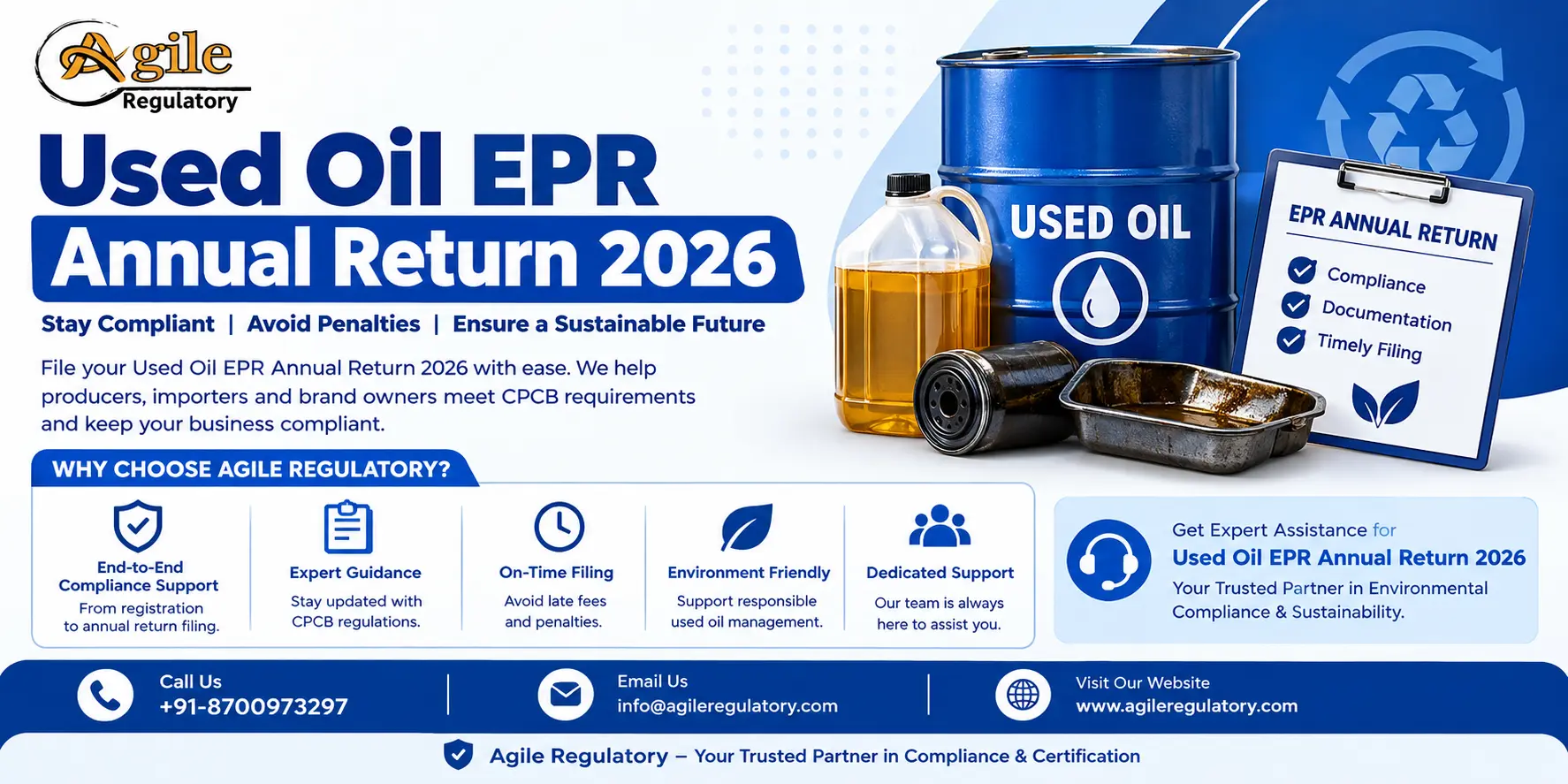
Understand the Used Oil EPR Annual Return 2026 deadline, filing process, compliance requirements, and key steps businesses need to follow for smooth EPR compliance in India.
Divya Saxena
20 Aug 2026
EPR Registration for E-Waste Management in India helps businesses comply with e-waste regulations by ensuring responsible collection, recycling, and disposal of electronic waste.
Divya Saxena
20 Aug 2026
Can a dead electric vehicle battery be reused or recycled? Learn how battery reuse, recycling, EPR registration, and battery waste compliance work in India.
Preeti Gupta
13 Aug 2026
The EPR system in India is becoming more digital and compliance-focused, making it important for Producers, Importers and Brand Owners (PIBOs) to maintain accurate registration details, waste-processing records and annual returns. Understanding the latest
Divya Saxena
07 Aug 2026
EPR Registration in India helps eligible businesses meet Extended Producer Responsibility requirements and manage their environmental obligations. Learn about the registration process, required documents, benefits, and compliance requirements.
Nishi Chawla
04 Jun 2026
EPR Registration in Ghaziabad is a mandatory compliance requirement for businesses involved in manufacturing, importing, selling, or branding products that generate plastic waste, e-waste, battery waste, or other regulated waste streams. Under the Extende
Nishi Chawla
04 May 2026
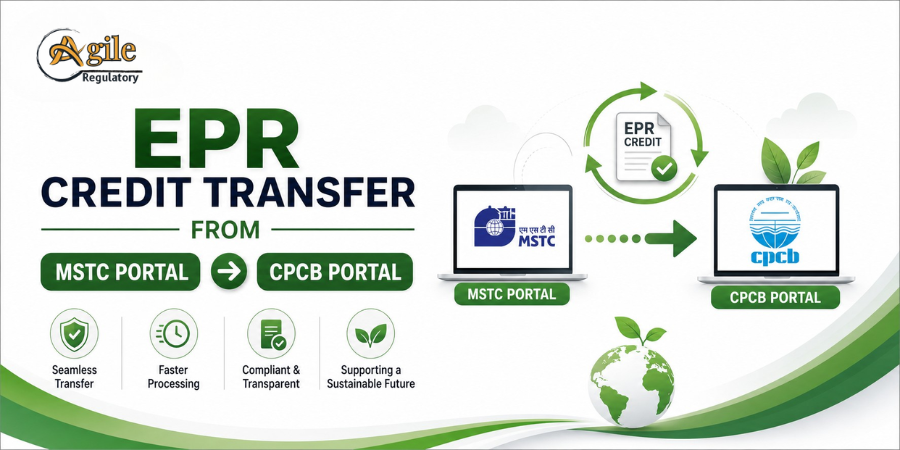
EPR credit transfer from MSTC to the CPCB portal is an essential step for producers, importers, and brand owners to meet their Extended Producer Responsibility
Nishi Chawla
01 May 2026
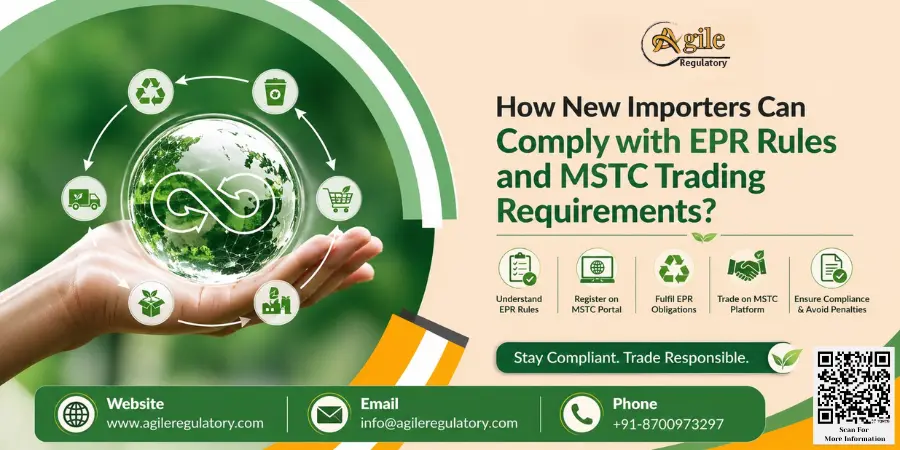
New importers need to register under EPR with the Central Pollution Control Board (CPCB) and ensure proper waste collection, recycling, or disposal through authorized recyclers. They must maintain records, meet annual targets, and submit compliance report
Nishi Chawla
01 May 2026
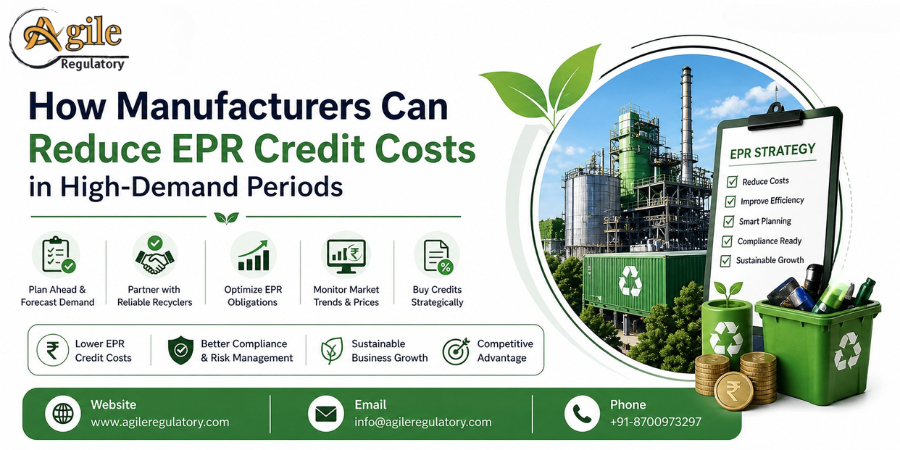
Manufacturers can reduce EPR credit costs during high-demand periods by adopting a proactive and strategic approach. Key steps include building long-term partnerships with authorized recyclers, securing credits in advance when prices are lower, and mainta
Nishi Chawla
30 Apr 2026
This guide explains the complete process of bulk uploading EPR invoices on the CPCB portal, helping businesses manage compliance efficiently and avoid common submission errors.
Nishi Chawla
15 Apr 2026
EPR applications in India often get rejected due to incomplete documentation, incorrect details, or non-compliance with guidelines set by the Central Pollution Control Board. This 2026 guide explains the common reasons for rejection and provides practical
Divya Saxena
24 Mar 2026
EPR credits are earned via certified recyclers processing e-waste, enabling producers to meet targets, maintain compliance, and support sustainable waste management.
Vanshika Mathur
13 Mar 2026
Renewing an EPR certificate is essential for businesses dealing with e-waste, plastic, batteries, or tyres in India. This guide explains the EPR renewal process, documents required, and timelines for 2026. Learn how to stay compliant with CPCB regulatio
We simplify compliance through a proven 4-step process: Consultation, Documentation, Submission, and certification. From understanding requirements to getting final approvals, we deliver a smooth, timely, and fully compliant journey for your business.


What our customer says about us
Lavkush Sharma
KTPL Instruments
Agile Regulatory handled my BIS Certification registration smoothly. Their expert team ensured quick approvals, transparent pricing, and a completely stress-free compliance experience.

Nitin Mukesh
Justrack IOT
We are grateful to Agile Regulatory for their excellent support. Their team showed patience, expertise, and professionalism throughout, providing clear guidance and making the entire process smooth and hassle-free.
Pradeep Varma
Coaire Compressor
Being an excellent BIS Certification Consultant provider, they help customers with all requirements such as BIS Certification, CDSCO services, Agile Regulatory support, legal issues, and lab testing with quick results.

Bharat Bachwani
Easy Polymer
With the help of Agile Regulatory, we have made significant progress in our business. Their service is fast, genuine, and reliable. We look forward to continued success together in the future.

Atul Jain
Tarus International
Many thanks to Agile Regulatory for all the support, guidance, and expert advice. Their professional approach and consistent assistance have made a significant difference.

Paramjeet Singh
Anchor Weighing
Top-tier consulting! offered strategic solutions that revolutionized our approach. Their deep expertise and personalized guidance made a significant impact on our success. Highly recommend their services.
Anshul Rathi
AM Capacitor
Agile Regulatory exceeded expectations! Their tailored solutions, expertise, and proactive approach led to remarkable results. Highly recommend for businesses seeking impactful and strategic guidance.

Shekhar Maurya
Imaxx Pro Aquistic
Outstanding service! delivered targeted solutions with professionalism and expertise. Their insights elevated our business strategies, resulting in noticeable growth. Highly recommended for exceptional consultation.
Trusted by over 1,00,000 + Global Brands in the past 15+ years



.webp)
.webp)


Leave a Reply
Your email address will not be published. Required fields are marked *