

Get Instant Solution By an Expert Advisor
(4.8)

In an era of globalization, businesses are no longer confined to operating within the geographical boundaries of their home countries. Advancements in transportation, communication, and digital technology have enabled companies to expand their operations across continents. However, entering and operating in international markets requires a deep understanding of the International Business Environment (IBE). The success or failure of a global venture often depends on how well a business understands and adapts to this environment.
This blog explores the meaning, importance, types, and key components of the International Business Environment in detail.
The International Business Environment refers to all the external factors, forces, and conditions that affect business activities across national borders. These factors shape how companies conduct trade, invest abroad, manage operations, and compete globally.
Unlike the domestic business environment, the international environment is more complex because it involves multiple countries with different economic systems, political structures, legal frameworks, cultural norms, and technological advancements. A company operating globally must adapt to these variations to achieve long-term success.
Understanding the International Business Environment is essential for organizations that aim to expand globally. Its importance can be explained through the following points:
Before entering a foreign market, businesses must evaluate economic conditions, political stability, and regulatory requirements. Proper environmental analysis helps companies choose the right market, entry mode (exporting, franchising, joint ventures, etc.), and investment strategy.
International operations expose companies to risks such as currency fluctuations, political instability, trade restrictions, and cultural misunderstandings. A thorough understanding of the environment helps minimize uncertainties and develop contingency plans.
Many emerging economies offer vast market potential due to increasing population, rising income levels, and industrial growth. Businesses that carefully analyze international markets can identify profitable opportunities for expansion.
Companies that understand global market dynamics can respond effectively to competition. They can adapt pricing, marketing strategies, and product features according to local preferences, giving them an edge over competitors.
Each country has its own rules regarding taxation, labor laws, intellectual property rights, and trade regulations. Understanding these laws ensures compliance and protects businesses from penalties or legal disputes.
The International Business Environment can be broadly classified into several types. Each plays a crucial role in shaping international operations.
The economic environment includes factors such as GDP growth rate, inflation, interest rates, exchange rates, and the overall economic system (capitalist, socialist, or mixed economy). A stable economy with strong growth prospects attracts foreign investment, while economic instability may discourage international businesses.
Political stability, government policies, taxation systems, trade restrictions, and diplomatic relations significantly affect business operations. For instance, global trade policies and dispute resolutions are influenced by institutions like the World Trade Organization, which regulates international trade rules among member nations.
The legal framework of a country governs contracts, consumer protection, environmental regulations, and intellectual property rights. Companies must comply with local and international laws to avoid conflicts and ensure smooth operations.
Culture plays a critical role in international business. Language, customs, traditions, religious beliefs, and consumer behavior vary from country to country. A product or advertisement that is successful in one country may fail in another due to cultural differences. Understanding social values and business etiquette helps companies build strong relationships in foreign markets.
Technological infrastructure, innovation levels, research and development capabilities, and digital connectivity influence business efficiency. Countries with advanced technology provide better production systems, communication networks, and logistics support.
International markets often have intense competition. Businesses must compete with local firms as well as multinational corporations. Understanding competitors’ strengths, pricing strategies, and market share is essential for survival and growth.
The International Business Environment consists of several interconnected components that influence global trade and investment.
International financial stability and development are supported by institutions such as the International Monetary Fund and the World Bank. These organizations provide financial assistance, policy guidance, and development funding to countries, which in turn affects international business activities.
Regional trade agreements reduce trade barriers and promote economic cooperation among member countries. A prominent example is the European Union, which allows free movement of goods, services, capital, and labor among its member states. Such agreements create large unified markets for businesses.
Currency exchange rates play a vital role in international trade. Fluctuations in exchange rates affect import and export pricing, profitability, and investment decisions. Companies engaged in global trade must manage foreign exchange risks carefully.
MNCs operate in multiple countries and significantly influence global economic activities. They contribute to employment generation, technology transfer, and economic development while intensifying competition in international markets.
Modern businesses rely heavily on global supply chains for sourcing raw materials, manufacturing, and distribution. Disruptions in one country—due to political unrest, natural disasters, or trade restrictions—can impact operations worldwide.
While international expansion offers significant benefits, it also presents challenges such as:
To overcome these challenges, businesses must conduct regular environmental scanning and adopt flexible strategies.
The International Business Environment is dynamic, complex, and continuously evolving. Businesses operating globally must understand economic conditions, political systems, legal frameworks, cultural differences, and technological advancements in various countries. By analyzing the importance, types, and components of the International Business Environment, organizations can reduce risks, seize global opportunities, and achieve sustainable growth.
In today’s interconnected global economy, understanding the International Business Environment is not merely an academic concept—it is a practical necessity for any business aspiring to compete and succeed internationally.
Post Views: 846


Nishi Chawla
23 Apr, 2026
.webp)
Nishi Chawla
23 Apr, 2026

Nishi Chawla
22 Apr, 2026
Nishi Chawala
22 Apr, 2026
Nishi Chawla
21 Apr, 2026
Get Instant Solution By an Expert Advisor
(4.8)
You might also be interested in these articles.
Nishi Chawla
20 Apr 2026
Rubber Board Registration helps rubber businesses gain official recognition, access government benefits, improve market credibility, and expand trade opportunities. It ensures compliance with industry regulations and supports better pricing, exports, and
Nishi Chawla
14 Apr 2026
Choosing between a Private Limited Company and a Limited Liability Partnership (LLP) in India depends on factors like ownership structure, compliance requirements, taxation, and scalability. This guide compares both business structures to help entrepreneu
Nishi Chawla
02 Apr 2026
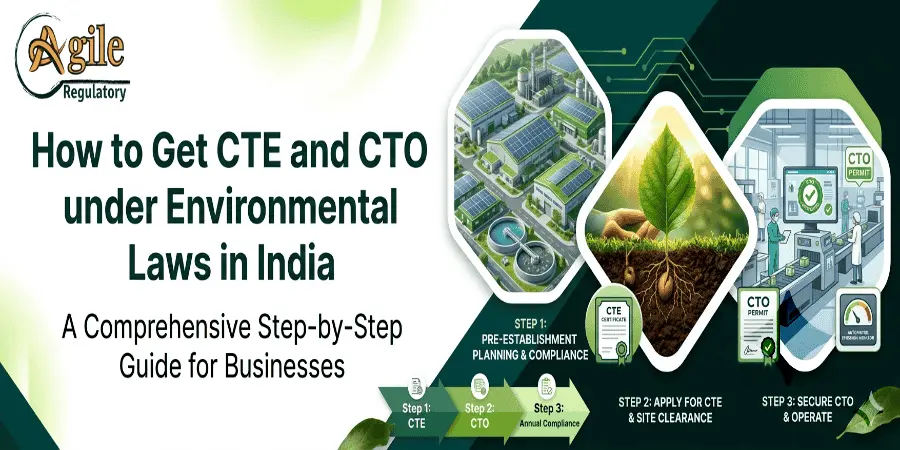
CTE (Consent to Establish) is a mandatory approval from pollution control authorities before starting a business. It ensures your operations comply with environmental laws and regulations. With stricter norms in 2026, obtaining CTE is essential for smoo
Nishi Chawla
02 Apr 2026
CTO (Consent to Operate) is legal approval for businesses, ensuring compliance, avoiding penalties, and enabling smooth operations in 2026.
Divya Saxena
20 Feb 2026
Starting a tea business in India in 2026 requires proper legal registration and compliance with food safety and tax regulations
Vanshika Mathur
06 Feb 2026
Starting a masala business in India in 2026 is a high-potential opportunity driven by rising demand for packaged spices, low entry barriers, and strong domestic and export markets. This guide explains the complete process—from licenses and setup to brandi
Vanshika Mathur
30 Jan 2026
Starting a mushroom cultivation business in India? You need an FSSAI license to legally grow, package, or sell mushrooms, ensuring food safety compliance. The process is simple and fully online through the FoSCoS portal.
Vanshika Mathur
28 Jan 2026
Looking to start a restaurant or food business in 2026? Getting your FSSAI license is mandatory. This guide walks you through the application process, required documents, and important tips to get your license quickly.
We simplify compliance through a proven 4-step process: Consultation, Documentation, Submission, and certification. From understanding requirements to getting final approvals, we deliver a smooth, timely, and fully compliant journey for your business.


What our customer says about us

Lavkush Sharma
KTPL Instruments
Fantastic support from the team. Their expertise transformed our approach, driving remarkable outcomes. A must-have partner for businesses seeking effective consulting solutions. Highly recommended.

Nitin Mukesh
Justrack IOT
Agile Regualtory delivers exceptional solutions. Their insightful guidance streamlined our processes and boosted profitability. Highly recommended for businesses seeking expert consulting services to thrive.
Pradeep Varma
Coaire Compressor
Impressed by Agile Regulatory's expertise. Their strategic insights and practical solutions have elevated our business operations. A reliable partner for effective consulting services. Highly recommended for growth-focused businesses.

Bharat Bachwani
Easy Polymer
Extraordinary consulting services. Their insightful solutions and dedicated team reshaped our business, driving remarkable improvements. Highly recommend it for transformative results.

Atul Jain
Tarus International
Incredible experience with Agile Regulatory. Their innovative strategies and expert advice revitalized our business model, resulting in impressive growth. Highly recommend their exceptional consulting services.

Paramjeet Singh
Anchor Weighing
Top-tier consulting! offered strategic solutions that revolutionized our approach. Their deep expertise and personalized guidance made a significant impact on our success. Highly recommend their services.

Anshul Rathi
AM Capacitor
Agile Regulatory exceeded expectations! Their tailored solutions, expertise, and proactive approach led to remarkable results. Highly recommend for businesses seeking impactful and strategic guidance.

Shekhar Maurya
Imaxx Pro Aquistic
Outstanding service! delivered targeted solutions with professionalism and expertise. Their insights elevated our business strategies, resulting in noticeable growth. Highly recommended for exceptional consultation.
Trusted by over 1,00,000 + Global Brands in the past 15+ years


(1).webp)





Leave a Reply
Your email address will not be published. Required fields are marked *