

Get Instant Solution By an Expert Advisor
(4.8)
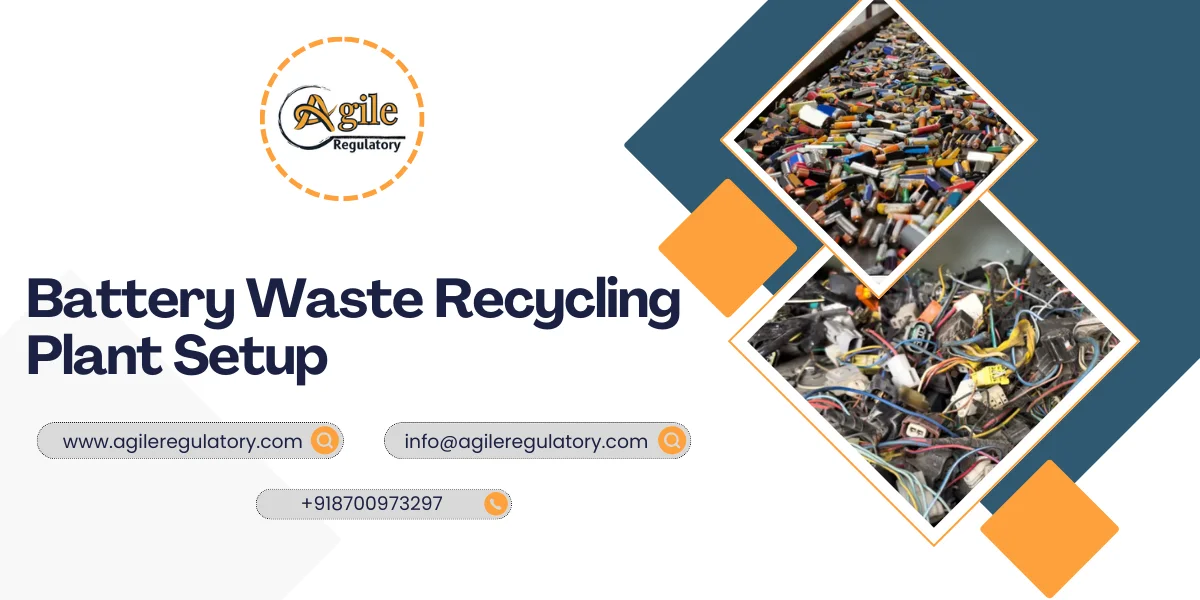

Batteries don’t last forever. But the harm they cause when they’re tossed out lasts for decades. In many cities, old batteries pile up in landfills and release toxins into water. This is not just a waste problem. It’s an environmental hazard. It puts both nature and human health at risk. But that’s also where the opportunity lies.
As India shifts toward electric mobility, gadgets, and clean energy, batteries have become part of daily life. What many don't know is this—every used battery holds value. Inside are metals like lithium, cobalt, and nickel. When recovered, these metals reduce mining needs. That’s why battery waste recycling isn’t just a business idea. It’s a public duty. And in India the need for such plants is growing fast.
Setting up a battery recycling plant may sound complex. But with the right process and guidance this task becomes easy. If you are planning to build a plant this guide will help you understand what steps you must follow. From approvals to operations, we’ll cover all the key points. Let’s get into it.
Used batteries come from various sources—mobile phones, laptops, vehicles, and industrial equipment. Once they stop working, these batteries are called battery waste. Lithium-ion batteries are now common in electric vehicles (EVs) and electronics. They contain metals that are toxic if left untreated.
When not recycled, these batteries leak. They contaminate the ground. They poison water. The gases they emit harm the air. That’s why the government made battery recycling a regulated process. Every plant must meet safety norms. They must follow environmental standards. Recycling helps recover useful metals. It lowers the cost of new production. Plus it also cuts waste.
Before you build, you must choose what type of batteries you’ll handle. In India, two main types of recycling exist:
These are older batteries used in cars and inverters. They are easy to recycle. The lead can be reused. But safety is key due to its toxic nature.
These are used in EVs, laptops, and mobile devices. They are more complex to recycle. But they offer better returns because of the metals inside.
Most new plants focus on lithium-ion batteries. They match with the trend of the market and future demand.
Once you know your battery type, run a feasibility study. This step helps you find answers like:
A good business plan also lists your process flow. It shows your cost structure. Nad it gives you a roadmap to manage operations, licensing, and revenue. Investors and banks will ask for this plan if you seek funding.
Pick a site that is away from residential zones. The plant must follow pollution control norms. Look for land in industrial areas. Many state governments offer such land under special zones.
The land should be big enough to hold:
A minimum of 5000–10000 square meters is a good start. But this may vary with your plant size.
Setting up a battery recycling plant means working with multiple laws. The Indian government controls this through pollution boards and other agencies. You will need:
The main work inside a battery recycling plant is to break down batteries safely. Then, the plant must separate useful metals and dispose of the waste. The setup includes:
Battery waste is growing, and the risks it brings are growing with it. But where there’s waste, there’s also worth. By setting up a battery recycling plant, you create a cleaner future. You also step into a growing market with real demand. But the key is to follow rules, use safe processes, and plan each step with care.
If you’re ready to enter the battery recycling space, our experts at Agile Regulatory can help you from day one. From site selection to licensing, we guide you through it all. Contact us today to turn battery waste into a better tomorrow.
Post Views: 882


Nishi Chawla
09 May, 2026
Nishi Chawla
09 May, 2026
.webp)
Nishi Chawla
08 May, 2026
.webp)
Nishi Chawla
08 May, 2026
Nishi Chawla
07 May, 2026
Get Instant Solution By an Expert Advisor
(4.8)
We simplify compliance through a proven 4-step process: Consultation, Documentation, Submission, and certification. From understanding requirements to getting final approvals, we deliver a smooth, timely, and fully compliant journey for your business.


What our customer says about us
Lavkush Sharma
KTPL Instruments
Agile Regulatory handled my BIS Certification registration smoothly. Their expert team ensured quick approvals, transparent pricing, and a completely stress-free compliance experience.

Nitin Mukesh
Justrack IOT
We are grateful to Agile Regulatory for their excellent support. Their team showed patience, expertise, and professionalism throughout, providing clear guidance and making the entire process smooth and hassle-free.
Pradeep Varma
Coaire Compressor
Being an excellent BIS Certification Consultant provider, they help customers with all requirements such as BIS Certification, CDSCO services, Agile Regulatory support, legal issues, and lab testing with quick results.

Bharat Bachwani
Easy Polymer
With the help of Agile Regulatory, we have made significant progress in our business. Their service is fast, genuine, and reliable. We look forward to continued success together in the future.

Atul Jain
Tarus International
Many thanks to Agile Regulatory for all the support, guidance, and expert advice. Their professional approach and consistent assistance have made a significant difference.

Paramjeet Singh
Anchor Weighing
Top-tier consulting! offered strategic solutions that revolutionized our approach. Their deep expertise and personalized guidance made a significant impact on our success. Highly recommend their services.
Anshul Rathi
AM Capacitor
Agile Regulatory exceeded expectations! Their tailored solutions, expertise, and proactive approach led to remarkable results. Highly recommend for businesses seeking impactful and strategic guidance.

Shekhar Maurya
Imaxx Pro Aquistic
Outstanding service! delivered targeted solutions with professionalism and expertise. Their insights elevated our business strategies, resulting in noticeable growth. Highly recommended for exceptional consultation.
Trusted by over 1,00,000 + Global Brands in the past 15+ years


Leave a Reply
Your email address will not be published. Required fields are marked *