


Get Instant Solution By an Expert Advisor
(4.8)
Fast replies · No spam · Real experts
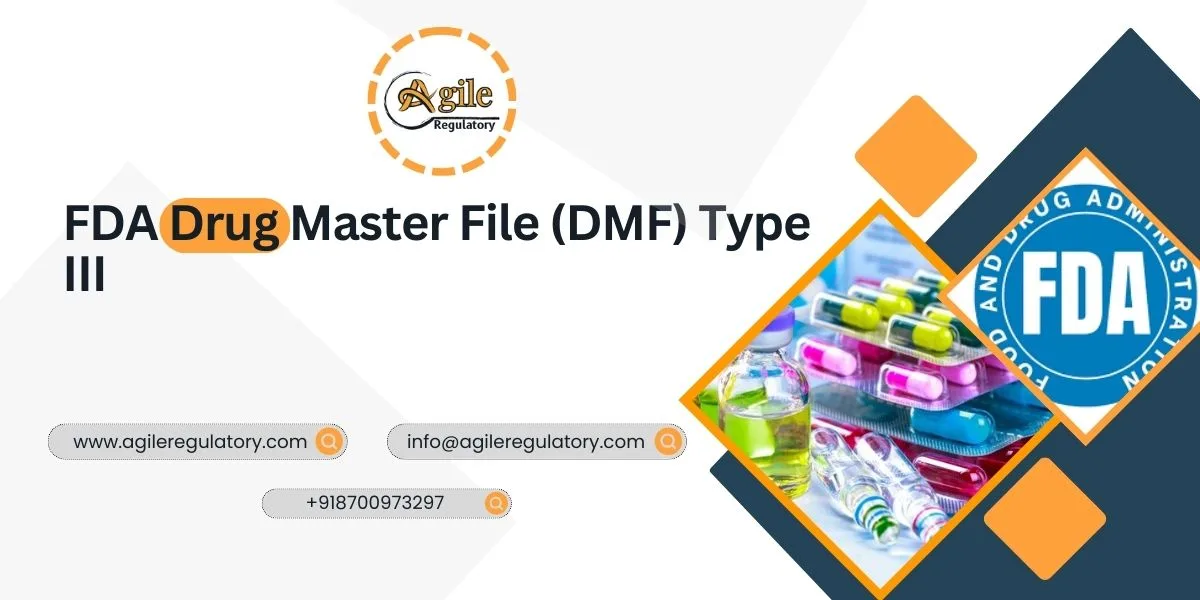
A Type III Drug Master File (DMF) is used to submit confidential information about packaging materials—such as bottles, closures, blister packs, and containers—to the U.S. FDA. It allows packaging manufacturers to protect proprietary details while still enabling the FDA to review safety, quality, and compatibility information when a drug application (like an NDA or ANDA) references the DMF. The FDA reviews a Type III DMF only after receiving a letter of authorization from the DMF holder, making it a secure and efficient way to share sensitive data.
A Drug Master File (DMF) is basically a confidential dossier you submit to the U.S. Food and Drug Administration (FDA) that contains detailed technical information about stuff related to a drug — like its chemistry, how it’s made, or even the packaging. Unlike an application like an NDA, ANDA, IND, or BLA, a DMF itself isn’t approved or disapproved
Before zooming into Type III, let’s see the full line-up:
Of these, Type III DMF is the one that deals with packaging components — and it’s crucial because packaging is the interface between the drug and patients.
Drug License for Medical Equipment in India
In simple terms: a Type III DMF is a way for a packaging material supplier (or a finished dosage drug company) to submit confidential, detailed packaging information to the FDA so that a drug application can reference it without exposing proprietary data.
Examples of packaging materials might include:
A key point from the FDA: you don’t always have to file a Type III DMF. If a drug applicant (like the company applying for an NDA/ANDA/IND/BLA) gets all the packaging specs directly from the supplier and includes them in the application, that’s fine too.
Here’s how the roles typically shake out:
So, it’s a two-person dance: packaging supplier keeps secrets safe, and drug applicant uses those details in their submission via a reference and LOA.
A Type III DMF isn’t just a few lines on a PDF — it’s a complete submission with structured, detailed information. Typical content includes:
You can see how needing all that organized and reviewable information is something manufacturers must take seriously.
Form 42 & Form 43 for Import of Drug and Cosmetic License
Here’s the truth: the FDA does not mandate that packaging info must be submitted as a Type III DMF. Packaging information can be included directly in a drug application. But if you want protection for your proprietary technology — and that’s often the case — you should submit it in a Type III DMF.
That’s an important clarity point the FDA has emphasized — because in the past, there was confusion about when a DMF has to be submitted vs. when data can just sit in the application. The FDA’s guidance has clarified that Type III exists to support confidentiality, not to replace the applicant’s obligation to include necessary information.
Today, FDA expects most DMFs (including Type III) in electronic Common Technical Document (eCTD) format. That means planning ahead for electronic publishing and appropriate structure.
DMF holders generally need to submit annual updates and keep the file current — especially if any changes occur in specs, suppliers, or regulatory context.
Packaging isn’t just about holding pills — the FDA pays attention to interaction with the drug product, potential leachables, and performance under real-use conditions. Good documentation here smooths the review process.
At the end of the day, a Type III DMF is a smart regulatory tool when you need to share confidential packaging material information with the FDA without disclosing it publicly or to competitors. It protects proprietary knowledge, supports regulatory submissions, and keeps the drug approval process running smoothly.
Many companies — especially those in generic or specialty packaging — benefit from expert guidance when preparing and submitting DMFs. That’s where organizations like Agile Regulatory, with experience in regulatory consulting and compliance services, can help businesses navigate these complex processes, offering support from documentation to submission guidance.
By understanding how Type III DMFs fit into the broader regulatory framework and leveraging professional help, companies can reduce submission risks and accelerate their path to approval.


You might also be interested in these articles.
Nishi Chawla
29 Jun 2026
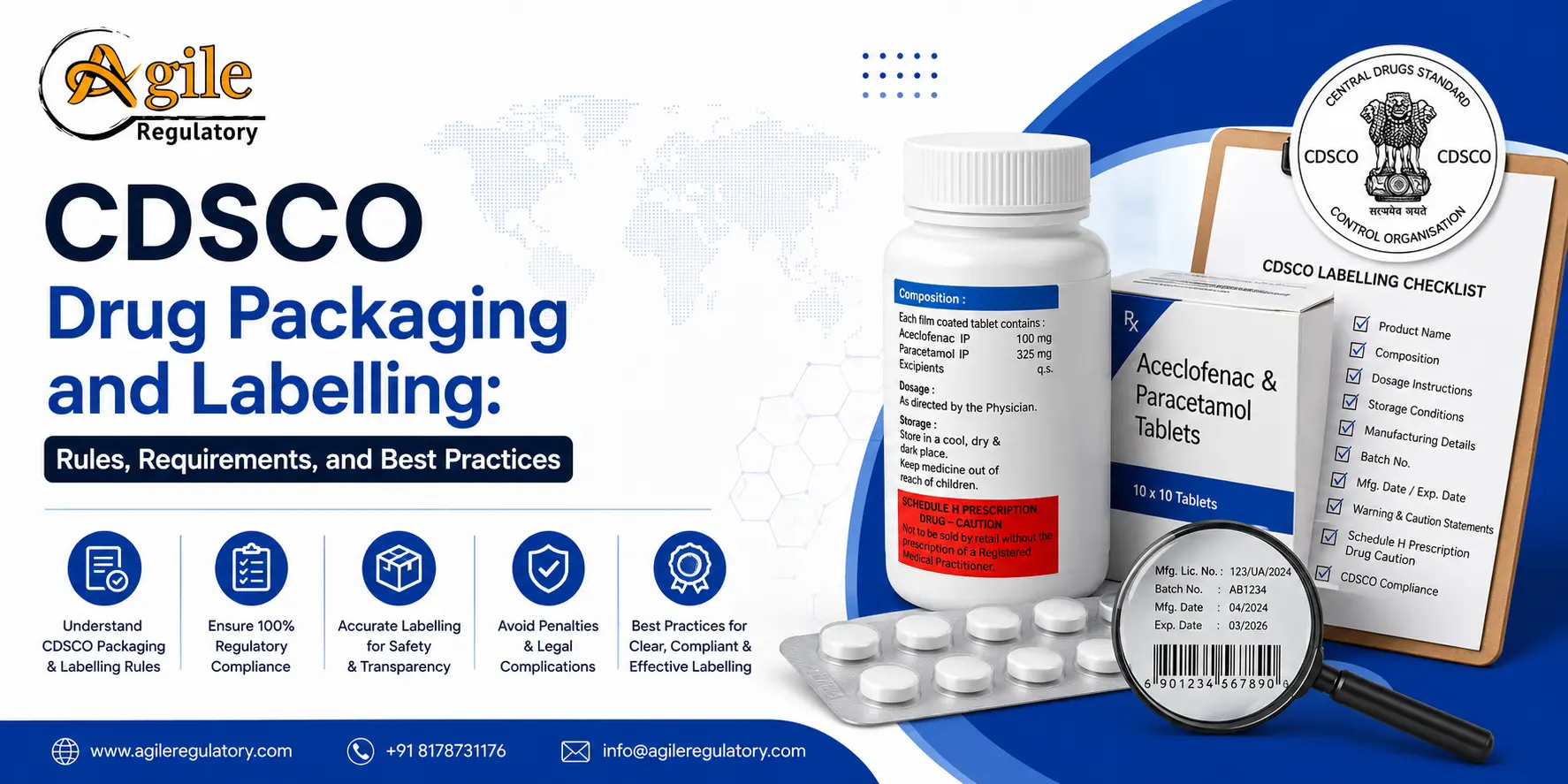
CDSCO drug packaging and labelling requirements play a crucial role in ensuring the safety, quality, and traceability of pharmaceutical products in India. This blog explains the key CDSCO rules, mandatory labelling requirements, packaging standards, and b
Nishi Chawla
11 May 2026
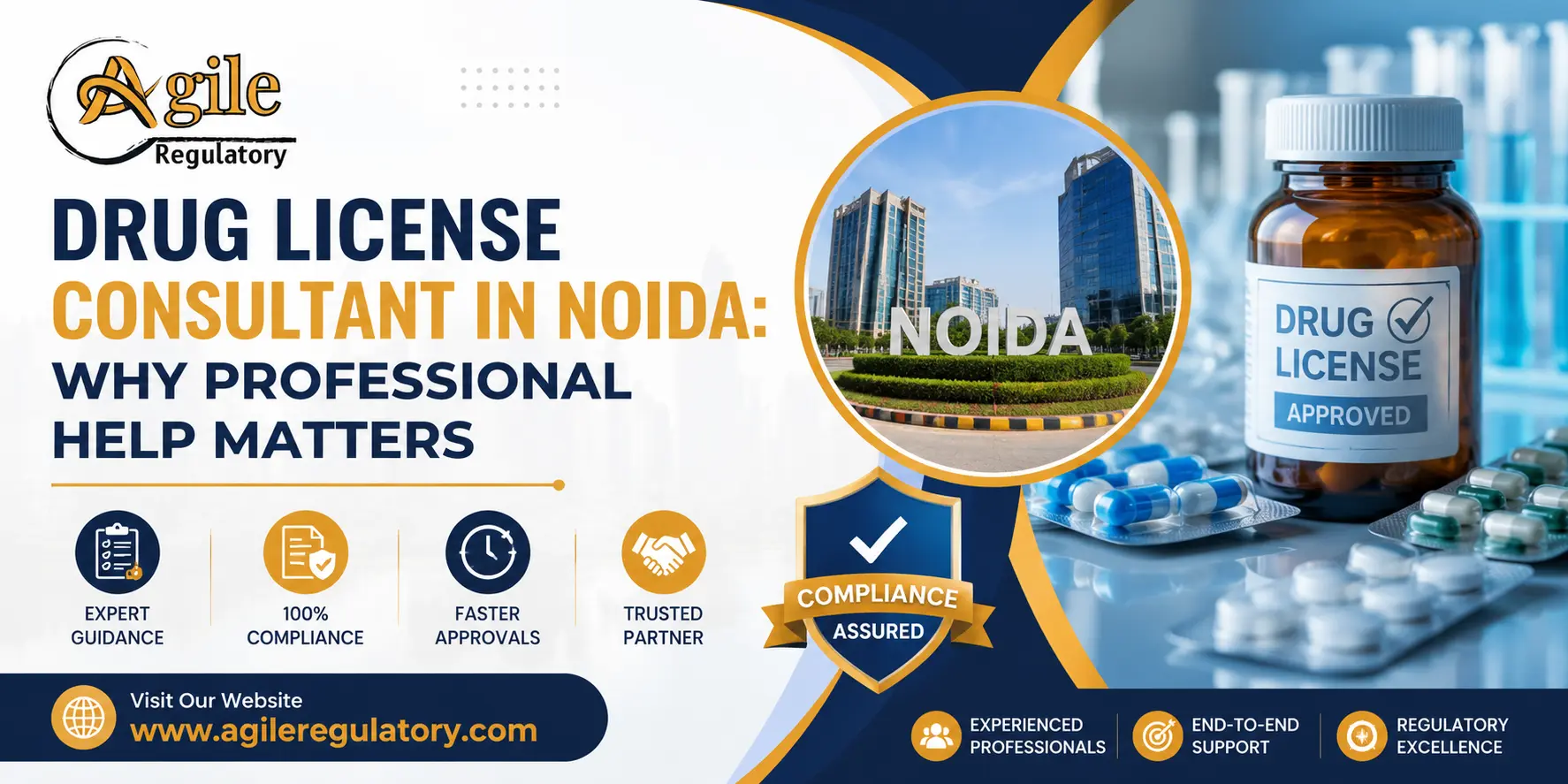
Looking for a reliable Drug License Consultant in Noida? Professional assistance can simplify the complex licensing process, ensure accurate documentation, and help businesses comply with all regulatory requirements. This blog explains why expert guidance
Nishi Chawla
07 May 2026
A Drug License in India is a mandatory authorization required for businesses involved in the sale, distribution, or manufacturing of pharmaceutical products. Whether you are starting a retail pharmacy, wholesale business, or drug manufacturing unit, obtai
Nishi Chawla
21 Apr 2026
Applying for a drug license online in India has become more streamlined with digital processes introduced by the government.
Nishi Chawla
17 Apr 2026
Obtaining a drug manufacturing licence in India involves a detailed approval process regulated by the Central Drugs Standard Control Organization. This guide explains the step-by-step procedure, including eligibility, documentation, inspection, and compli
Nishi Chawla
31 Mar 2026
Getting a drug license in Delhi requires strict compliance with legal regulations. Professional consultants simplify the application and approval process. Agile Regulatory provides expert guidance and end-to-end support. They handle documentation, fili
Nishi Chawla
31 Mar 2026
Obtain a drug license in Mumbai and Maharashtra by fulfilling eligibility, submitting documents, applying online, and complying with regulatory requirements.
Nishi Chawla
23 Mar 2026
Retail and wholesale drug license registration in Punjab requires application submission, document verification, regulatory approval, compliance with laws, and renewal.
Nishi Chawla
06 Mar 2026
In 2026, medical devices in India must be registered and licensed under the Medical Devices Rules, 2017 regulated by the Central Drugs Standard Control Organization (CDSCO).
We simplify compliance through a proven 4-step process: Consultation, Documentation, Submission, and certification. From understanding requirements to getting final approvals, we deliver a smooth, timely, and fully compliant journey for your business.


What our customer says about us

Lavkush Sharma
KTPL Instruments
Agile Regulatory handled my BIS Certification registration smoothly. Their expert team ensured quick approvals, transparent pricing, and a completely stress-free compliance experience.

Nitin Mukesh
Justrack IOT
We are grateful to Agile Regulatory for their excellent support. Their team showed patience, expertise, and professionalism throughout, providing clear guidance and making the entire process smooth and hassle-free.
Pradeep Varma
Coaire Compressor
Being an excellent BIS Certification Consultant provider, they help customers with all requirements such as BIS Certification, CDSCO services, Agile Regulatory support, legal issues, and lab testing with quick results.

Bharat Bachwani
Easy Polymer
With the help of Agile Regulatory, we have made significant progress in our business. Their service is fast, genuine, and reliable. We look forward to continued success together in the future.

Atul Jain
Tarus International
Many thanks to Agile Regulatory for all the support, guidance, and expert advice. Their professional approach and consistent assistance have made a significant difference.

Paramjeet Singh
Anchor Weighing
Top-tier consulting! offered strategic solutions that revolutionized our approach. Their deep expertise and personalized guidance made a significant impact on our success. Highly recommend their services.

Anshul Rathi
AM Capacitor
Agile Regulatory exceeded expectations! Their tailored solutions, expertise, and proactive approach led to remarkable results. Highly recommend for businesses seeking impactful and strategic guidance.

Shekhar Maurya
Imaxx Pro Aquistic
Outstanding service! delivered targeted solutions with professionalism and expertise. Their insights elevated our business strategies, resulting in noticeable growth. Highly recommended for exceptional consultation.
Trusted by over 1,00,000 + Global Brands in the past 15+ years





(2).webp)


Leave a Reply
Your email address will not be published. Required fields are marked *