


Get Instant Solution By an Expert Advisor
(4.8)
Fast replies · No spam · Real experts
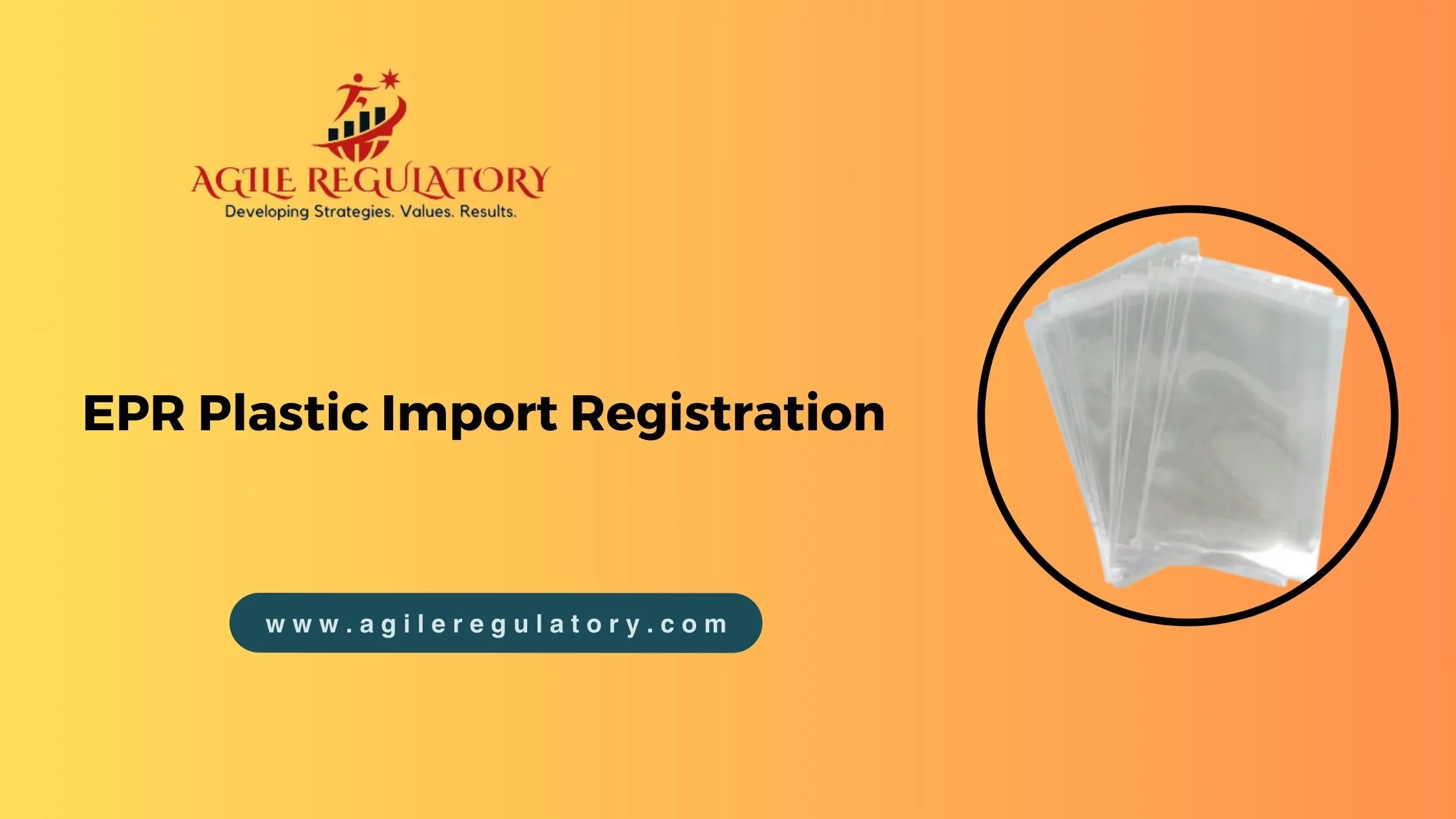
The problem of plastic pollution has received major attention in recent years, which has prompted governments to enact strict regulations and reduce the negative environmental effects of plastics. One of the major Compliance in India is the Extended Producer Responsibility (EPR) framework for managing plastic waste.
Importers must register under the EPR Registration since makers and importers of plastic items are responsible for managing plastic waste, we will explore the concept of EPR Plastic Import Registration in India and its significance in the fight against plastic pollution, Documentation, etc.
An approach to registration known as extended producer responsibility (EPR) seeks to transfer the burden of controlling a product's end-of-life waste from the government to the producers and importers. The purpose of the EPR Registration is to guide manufacturers and importers to be accountable for their goods throughout every stage of their life cycles, including disposal of waste and recycling.
India's EPR framework for plastics is overseen by the Central Pollution Control Board (CPCB). It promotes recycling and safe disposal to decrease the harm that plastics do to the environment.
Reduce Plastic Pollution: By holding importers accountable for the plastic waste generated by their products, EPR encourages them to adopt sustainable packaging and recycling practices, thereby reducing plastic pollution.
Promote Recycling: EPR promotes recycling and the development of a circular economy by incentivizing businesses to design products that are easier to recycle and recover.
Save Resources: EPR reduces the burden on local governments and taxpayers by shifting the costs of waste management to producers and importers, ensuring efficient resource utilization.
Nowadays plastic is so widely used in India, that managing plastic trash is a critical concern. The Plastic Waste Management Rules were adopted in 2016 by the Ministry of Environment, Forests, and Climate Change to address this issue. These rules were amended in 2018 to incorporate EPR provisions.
Registration: Importers must register on the Central Pollution Control Board (CPCB) portal as per requirement. Registration can be done by online process.
Eligibility: Any person or entity engaged in the import types of plastic is required to register under the EPR framework in the CPCB Portal.
Fulfill Obligations: Importers must fulfill their EPR obligations by ensuring the environmentally sound management of the plastic waste generated from their products. This includes collecting, segregating, and recycling plastic waste in an approved manner.
Documentation: Importers must submit the necessary documents, including details of the Plastic types being imported, the proposed collection and recycling mechanisms, and a financial mechanism to support these activities.
Submit Reports: Regular reports detailing the import and management of plastic waste must be submitted to the relevant authorities to demonstrate compliance with EPR requirements.
Contribute to the Plastic Waste Management Fund: Importers are also required to contribute to the Plastic Waste Management Fund, which is used to support initiatives aimed at reducing plastic pollution and promoting recycling.
Environmental Conservation: EPR Plastic Import Registration contributes to a reduction in the environmental impact of plastic by promoting recycling and responsible disposal.
Resource Conservation: It facilitates the recovery of valuable materials from used plastic, conserving natural resources.
Legal Compliance: Importers who register under the EPR framework ensure they comply with India's environmental laws and regulations, reducing the risk of legal penalties.
Industry Responsibility: It encourages a sense of responsibility within the plastic industry, fostering a sustainable approach to plastic production and management.
While the EPR Plastic Import Registration is a positive step towards sustainable plastic management, there are challenges such as ensuring compliance, monitoring, and achieving ambitious recycling targets. The enforcement of these regulations and the creation of a robust infrastructure for recycling and disposal are ongoing challenges.
In the future, India may face enhancing its EPR Compliances by involving more stakeholders, incentivizing innovation in the plastic industry, and further promoting consumer awareness about responsible plastic disposal.
EPR Plastic Waste Import Registration is a crucial component of India's efforts to address the growing problem of plastic pollution. By holding importers accountable for the plastic waste generated by their products, this framework encourages responsible business practices and sustainable packaging solutions. Importers play a vital role in reducing the environmental impact of plastics in India, and their active participation in EPR is essential for a cleaner and greener future. Connect with Agile Regulatory experts to get a free unlimited consultation.


You might also be interested in these articles.
Preeti Gupta
09 Sep 2026
Understand the Used Oil EPR Annual Return 2026 deadline, filing process, compliance requirements, and key steps businesses need to follow for smooth EPR compliance in India.
Divya Saxena
20 Aug 2026
EPR Registration for E-Waste Management in India helps businesses comply with e-waste regulations by ensuring responsible collection, recycling, and disposal of electronic waste.
Divya Saxena
20 Aug 2026
Can a dead electric vehicle battery be reused or recycled? Learn how battery reuse, recycling, EPR registration, and battery waste compliance work in India.
Preeti Gupta
13 Aug 2026
The EPR system in India is becoming more digital and compliance-focused, making it important for Producers, Importers and Brand Owners (PIBOs) to maintain accurate registration details, waste-processing records and annual returns. Understanding the latest
Divya Saxena
07 Aug 2026
EPR Registration in India helps eligible businesses meet Extended Producer Responsibility requirements and manage their environmental obligations. Learn about the registration process, required documents, benefits, and compliance requirements.
Nishi Chawla
04 Jun 2026
EPR Registration in Ghaziabad is a mandatory compliance requirement for businesses involved in manufacturing, importing, selling, or branding products that generate plastic waste, e-waste, battery waste, or other regulated waste streams. Under the Extende
Nishi Chawla
04 May 2026
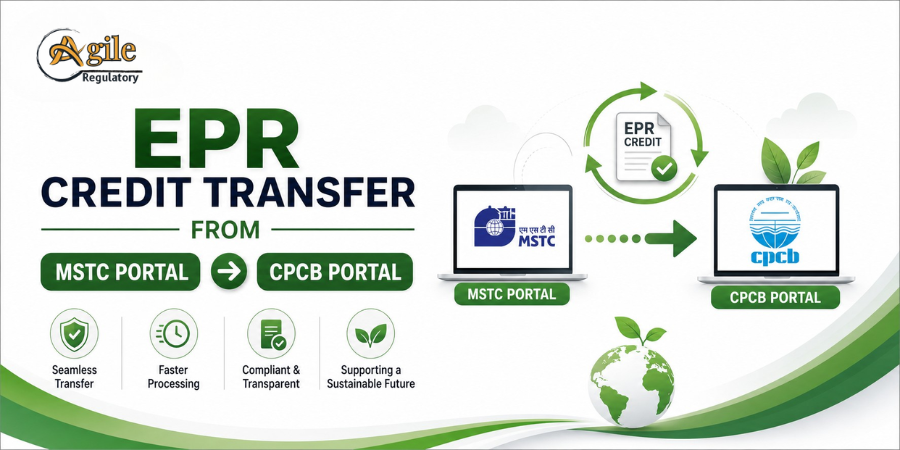
EPR credit transfer from MSTC to the CPCB portal is an essential step for producers, importers, and brand owners to meet their Extended Producer Responsibility
Nishi Chawla
01 May 2026
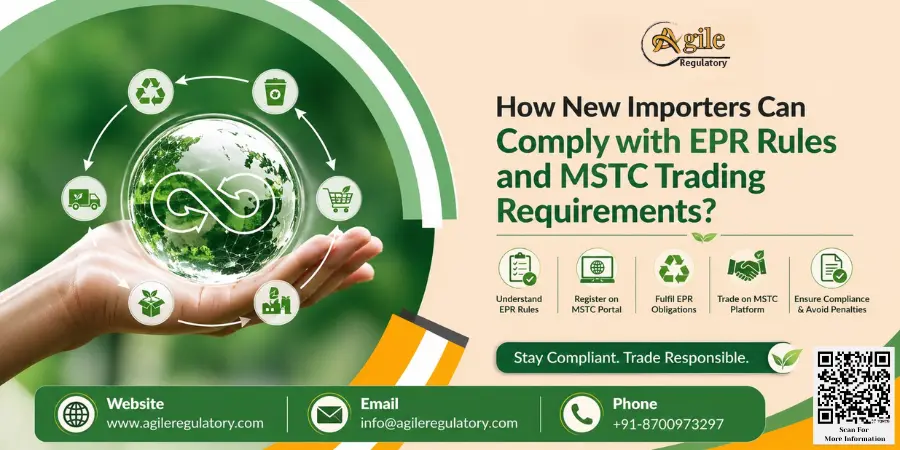
New importers need to register under EPR with the Central Pollution Control Board (CPCB) and ensure proper waste collection, recycling, or disposal through authorized recyclers. They must maintain records, meet annual targets, and submit compliance report
Nishi Chawla
01 May 2026
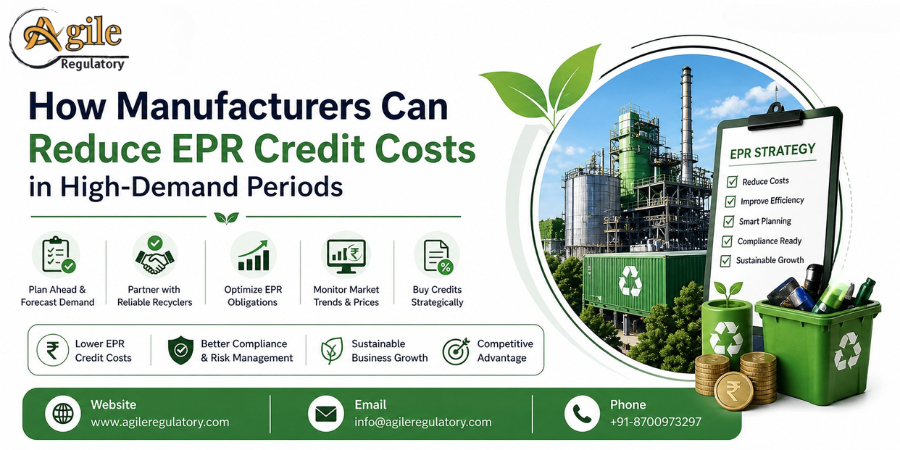
Manufacturers can reduce EPR credit costs during high-demand periods by adopting a proactive and strategic approach. Key steps include building long-term partnerships with authorized recyclers, securing credits in advance when prices are lower, and mainta
Nishi Chawla
30 Apr 2026
This guide explains the complete process of bulk uploading EPR invoices on the CPCB portal, helping businesses manage compliance efficiently and avoid common submission errors.
Nishi Chawla
15 Apr 2026
EPR applications in India often get rejected due to incomplete documentation, incorrect details, or non-compliance with guidelines set by the Central Pollution Control Board. This 2026 guide explains the common reasons for rejection and provides practical
Divya Saxena
24 Mar 2026
EPR credits are earned via certified recyclers processing e-waste, enabling producers to meet targets, maintain compliance, and support sustainable waste management.
Vanshika Mathur
24 Mar 2026
Businesses can obtain EPR (Extended Producer Responsibility) credits by purchasing them from CPCB-authorized Plastic Waste Processors (PWPs). These processors recycle plastic waste and generate credits on the Central Pollution Control Board portal. Compan
Vanshika Mathur
13 Mar 2026
Renewing an EPR certificate is essential for businesses dealing with e-waste, plastic, batteries, or tyres in India. This guide explains the EPR renewal process, documents required, and timelines for 2026. Learn how to stay compliant with CPCB regulatio
We simplify compliance through a proven 4-step process: Consultation, Documentation, Submission, and certification. From understanding requirements to getting final approvals, we deliver a smooth, timely, and fully compliant journey for your business.


What our customer says about us

Lavkush Sharma
KTPL Instruments
Agile Regulatory handled my BIS Certification registration smoothly. Their expert team ensured quick approvals, transparent pricing, and a completely stress-free compliance experience.

Nitin Mukesh
Justrack IOT
We are grateful to Agile Regulatory for their excellent support. Their team showed patience, expertise, and professionalism throughout, providing clear guidance and making the entire process smooth and hassle-free.
Pradeep Varma
Coaire Compressor
Being an excellent BIS Certification Consultant provider, they help customers with all requirements such as BIS Certification, CDSCO services, Agile Regulatory support, legal issues, and lab testing with quick results.

Bharat Bachwani
Easy Polymer
With the help of Agile Regulatory, we have made significant progress in our business. Their service is fast, genuine, and reliable. We look forward to continued success together in the future.

Atul Jain
Tarus International
Many thanks to Agile Regulatory for all the support, guidance, and expert advice. Their professional approach and consistent assistance have made a significant difference.

Paramjeet Singh
Anchor Weighing
Top-tier consulting! offered strategic solutions that revolutionized our approach. Their deep expertise and personalized guidance made a significant impact on our success. Highly recommend their services.
Anshul Rathi
AM Capacitor
Agile Regulatory exceeded expectations! Their tailored solutions, expertise, and proactive approach led to remarkable results. Highly recommend for businesses seeking impactful and strategic guidance.

Shekhar Maurya
Imaxx Pro Aquistic
Outstanding service! delivered targeted solutions with professionalism and expertise. Their insights elevated our business strategies, resulting in noticeable growth. Highly recommended for exceptional consultation.
Trusted by over 1,00,000 + Global Brands in the past 15+ years




.webp)
.webp)



Leave a Reply
Your email address will not be published. Required fields are marked *